العربية
 Español
 Pусский
 lingua italiana
 Français
 Deutsch
 Portugues




Technical information · Project specification
How to Specify Outdoor LED Lighting for High Temperature Projects
A practical guide to ambient ratings, LED thermal evidence and driver reliability for roads, yards and public spaces in hot climates.
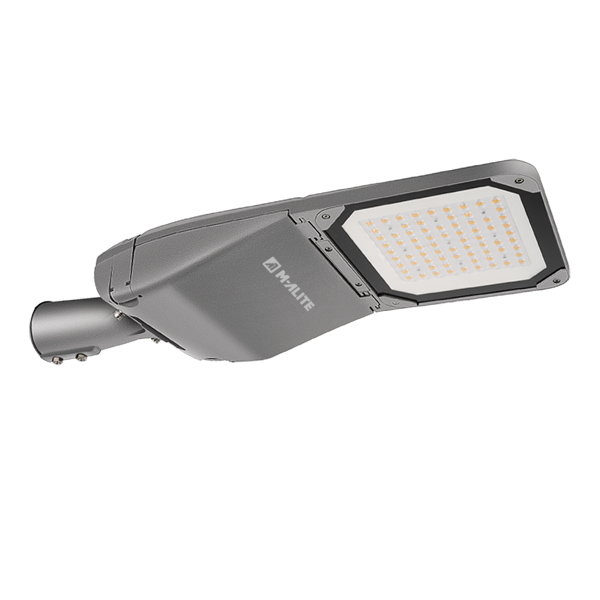
Choose high temperature outdoor LED lighting by its documented performance at the site’s actual operating conditions. Request the rated ambient temperature, LED thermal measurements, driver temperature limits and lumen-maintenance evidence for the exact configuration being quoted. Headline efficacy alone cannot establish long-term reliability.
Why ambient temperature changes the buying decision
Heat affects the LED source, driver, optics and seals in different ways. A luminaire may still turn on in hot weather while its light output depreciates faster or its electronics operate beyond their intended limits. DOE guidance connects thermal management with LED output and longevity and recommends checking a verifiable measurement point on the actual luminaire.
Start by defining the maximum surrounding-air temperature during operation. Then identify solar exposure, heat from nearby surfaces, restricted ventilation and the daily operating schedule. A weather-station reading may not describe the conditions at the installation.
The air around the luminaire. Use the project condition when checking its rated operating range.
The temperature at the driver’s designated case measurement point. Check its limits and lifetime data.
The temperature inside the LED semiconductor. It differs from ambient and case temperatures.
Higher temperature can accelerate degradation; LED lumen maintenance also depends on drive current and component design. Compare supplier claims under defined, comparable conditions.
Build an evidence chain from LED package to finished luminaire
A useful quotation connects the LED test data with the actual housing, selected driver and project environment. For a component-based lumen-maintenance assessment, check the LM-80 data, proposed LED drive current and measured temperature at the relevant LED temperature point in the assembled luminaire. TM-21 projections must follow the method’s conditions and limits.
Ambient temperature, operating hours, mounting and solar exposure.
Exact LED package, LM-80 data, drive current and measured temperature.
Selected model, temperature limits, derating and control options.
Finished-luminaire reports, optics, configuration and service access.
What each rating or test method tells a project buyer
DOE’s test-method overview distinguishes LM-79, LM-80 and TM-21. Always confirm the report edition, model identity and measurement conditions required by the tender.
Suggested allocation of bid-review attention
Alite procurement recommendation. These percentages are a planning aid, not a laboratory standard, measured result or product-performance claim. Review how the maintenance claim applies to the delivered assembly, including its thermal path, optics and driver reliability.
What to include in a high temperature lighting RFQ
Replace a general request for “high temperature resistance” with measurable requirements. State the maximum ambient temperature, operating hours, mounting arrangement, supply voltage and any solar-load concern. Ask suppliers to identify the exact LED, driver and control configuration in their quotation.
For example, when a project requires operation at 50°C ambient, request supporting evidence for that condition and configuration. IEC 62722-2-1:2023 addresses LED-luminaire performance requirements, test methods and conditions, including clarification of temperature requirements for maintenance testing.
RFQ requirements and the documents to request
Example wording for your RFQ
“Please quote outdoor LED luminaires for a maximum operating ambient temperature of 50°C. Identify the exact LED package, drive current, driver model, control interface and surge-protection configuration. Provide evidence supporting the specified ambient condition, LED and driver temperature measurements, lumen-maintenance claim and finished-luminaire photometry. State any output derating, installation restrictions and warranty conditions.”
50°C is an illustrative project requirement. Replace it with your site’s design condition; it is not a blanket temperature rating for Alite products.
Applying the specification to Alite outdoor lighting projects
Alite Lighting supports B2B projects through its sales and operations team in Taizhou and supply-chain and quality-control support in Zhongshan. Product selection should bring together the thermal requirement, target-market compliance, lighting layout and service plan.
ASL23 for road-lighting specifications
For an ASL23 quotation, define the required efficacy, ingress and impact protection, surge protection, optical distribution and ambient-temperature condition. Match the selected optic to the pole height, spacing and road geometry.
Explore the ASL23 LED Street LightConfirm the project package
- Configuration-specific product data and applicable test documents.
- IES/LDT photometry and installation guidance.
- Driver access, spare parts, packing and warranty workflow.
If NEMA-based control readiness is required, discuss the proposed ASE02 configuration with Alite. Confirm the exact interface, driver and thermal evidence before approval.