العربية
 Español
 Pусский
 lingua italiana
 Français
 Deutsch
 Portugues



Learn how to choose LED street lights for road projects by comparing optics, efficacy, IP/IK ratings, surge protection, lifetime data and controls.
LED street lighting procurement guide
How to Choose LED Street Lights for Road Projects
Seven specifications B2B buyers should verify before approving a luminaire, supplier or bulk road lighting order.
A successful road lighting purchase starts with the required result on the road, not with a wattage printed on a quotation. B2B buyers need to compare photometric performance, electrical protection, mechanical durability, maintenance access and supplier documentation as one system. The current ANSI/IES RP-8 guidance covers design, obtrusive light, system components, maintenance and outdoor lighting controls, which shows why a luminaire cannot be evaluated by wattage alone.
Define the Road Lighting Result
Before requesting a price, provide road width, lane count, pole height, pole spacing, setback, arm length, mounting angle, surface type and the required illuminance or luminance criteria. A supplier should use an IES photometric file to model average light level, uniformity, glare and spill light.
A lower-wattage luminaire with the correct distribution may outperform a higher-wattage product that sends light outside the target area. The United States Department of Energy reports that LED roadway systems can achieve required light levels with less than half the total generated light of older technologies because LEDs offer better optical control.
Compare Efficacy at Equal Light Output
Luminaire efficacy, expressed in lumens per watt, affects the power needed to deliver a target lumen package. The chart compares a transparent procurement scenario: 100 luminaires, 20,000 lumens per luminaire and 4,380 operating hours per year.
At 130 lm/W, the fleet uses about 67.4 MWh annually. At 200 lm/W, it uses about 43.8 MWh, a calculated reduction of 35 percent. This comparison excludes driver dimming, optical losses, dirt depreciation and electricity tariffs, so it is a screening tool rather than a project energy guarantee. High efficacy still needs to be confirmed at the exact wattage, CCT and operating condition quoted.
Annual Energy at Equal Lumen Output
100 luminaires delivering 20,000 lm each and operating 4,380 hours per year
Verify Photometric and Lifetime Evidence
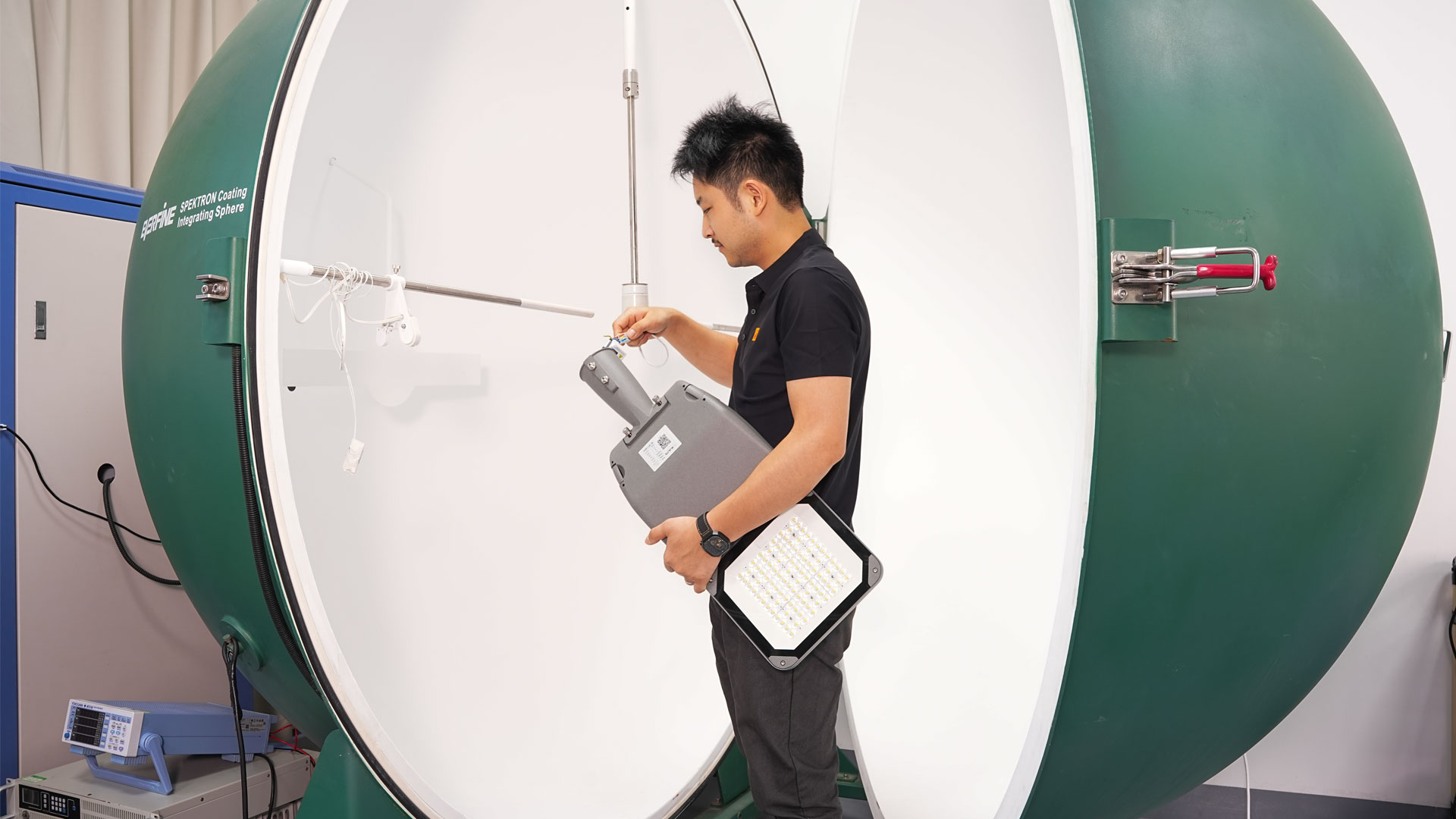
Ask for an LM-79 report and an IES file for the offered configuration. ANSI/IES LM-79-24 defines procedures for measuring total luminous flux, electrical power, system efficacy, intensity distribution and color quantities of solid-state lighting products.The report model, wattage and CCT should match the quotation.
For lifetime claims, LM-80 measures lumen and color maintenance of LED packages, arrays or modules, while TM-21 projects long-term flux maintenance from LM-80 data. These documents support a lifetime assessment, but they do not replace a written luminaire warranty or prove the lifetime of the driver, seals, SPD and connectors.
Check Outdoor Protection and Materials
For exposed road projects, verify the complete enclosure rating rather than a component rating. IEC 60529 covers ingress protection classifications, while IEC 62262 covers external mechanical impact ratings.
IP66 and IK08 to IK10 are common project requirements, but the correct level depends on flooding risk, windblown dust, vandalism and maintenance practice. Buyers should also review die-cast aluminum quality, coating process, salt-spray requirements, fasteners, lens material, gasket design and cable entry. Coastal, industrial and high-UV environments need project-specific material confirmation.
Specify Surge and Electrical Protection
Street lights are connected to long outdoor circuits and may face switching transients or lightning-related surges. State the required SPD level, protection mode, disconnection behavior and replaceability in the specification. IEC 61643-11:2025 defines requirements and test methods for low-voltage AC surge protective devices.
The choice between 10 kV and 20 kV protection should follow the local lightning risk, grid condition and project standard. Confirm input voltage, power factor, harmonic limits, insulation class, earthing arrangement and driver brand or performance requirements before production.
Design for Maintenance
The purchase price is only one part of lifecycle cost. Driver access, spare-part availability and safe replacement time affect every future service visit. Tool-free opening and a separated or removable driver compartment can shorten maintenance work and reduce the chance of disturbing the optical chamber.
Ask the supplier to identify replaceable parts, connector types, recommended spares, warranty process and the period for which compatible drivers and LED boards will remain available.
Plan Smart Control Readiness
A photocell, dimming driver or network controller should be planned before the order, even when the first installation will operate conventionally. ANSI C136.41-2025 defines the interface between an external locking-type control and a roadway luminaire for 0-10 V and DALI dimming functions.
Buyers should confirm the receptacle type, pin configuration, control protocol, sealing cap and commissioning responsibility. DOE research notes that optics and adaptive controls together can substantially reduce light at night, but dimming schedules must preserve the required roadway criteria.
Match the Alite Product to the Project
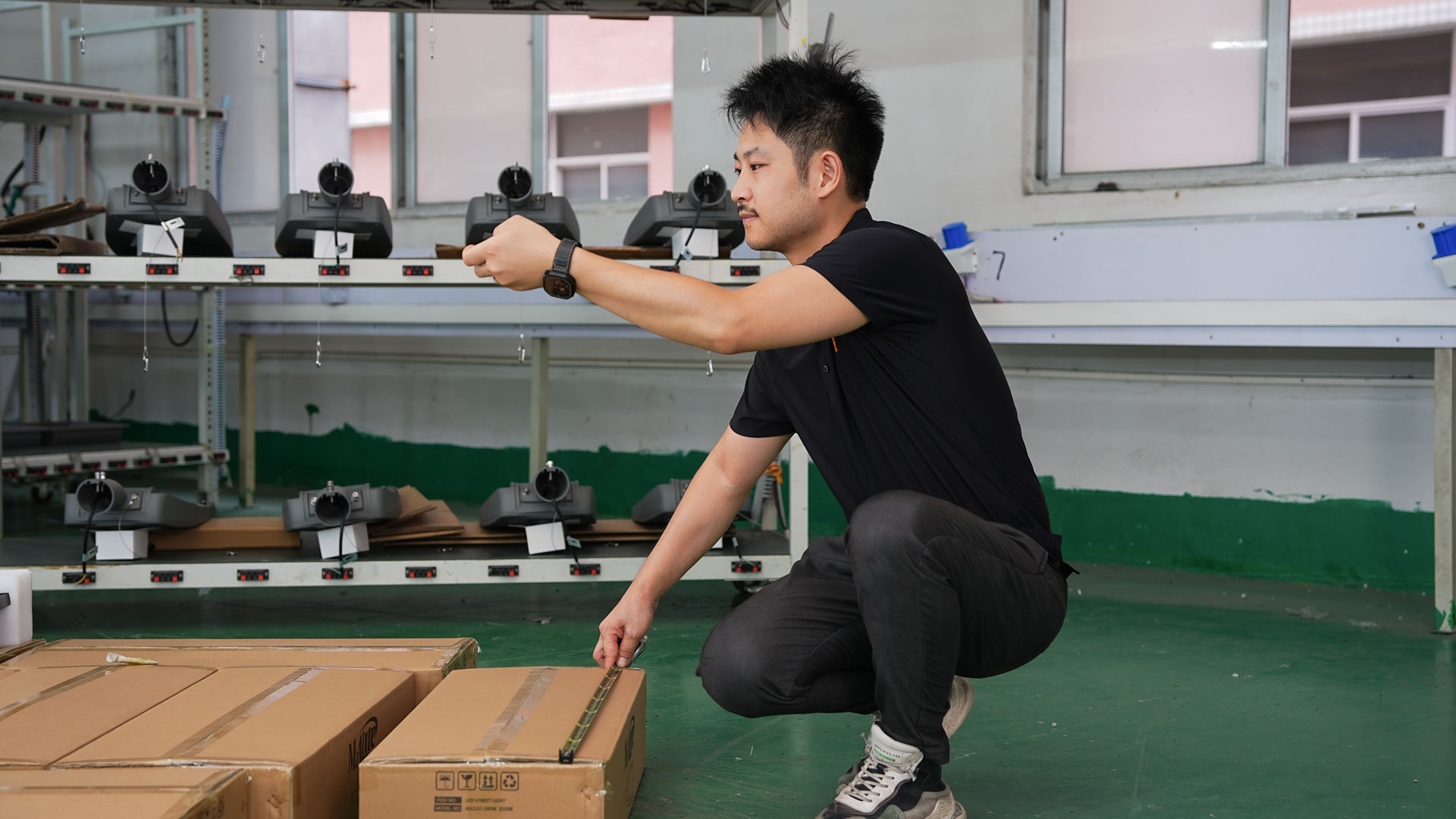
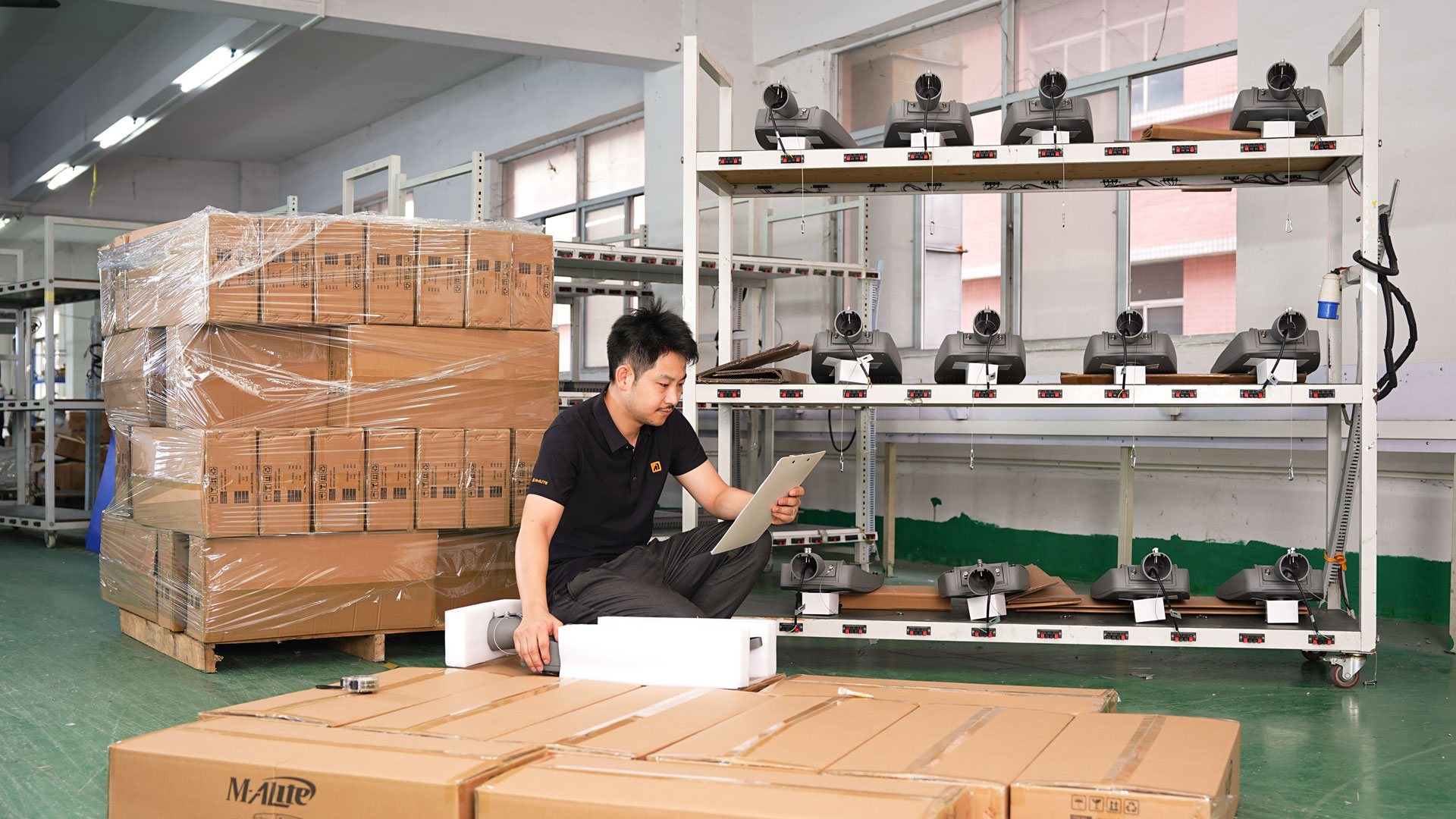
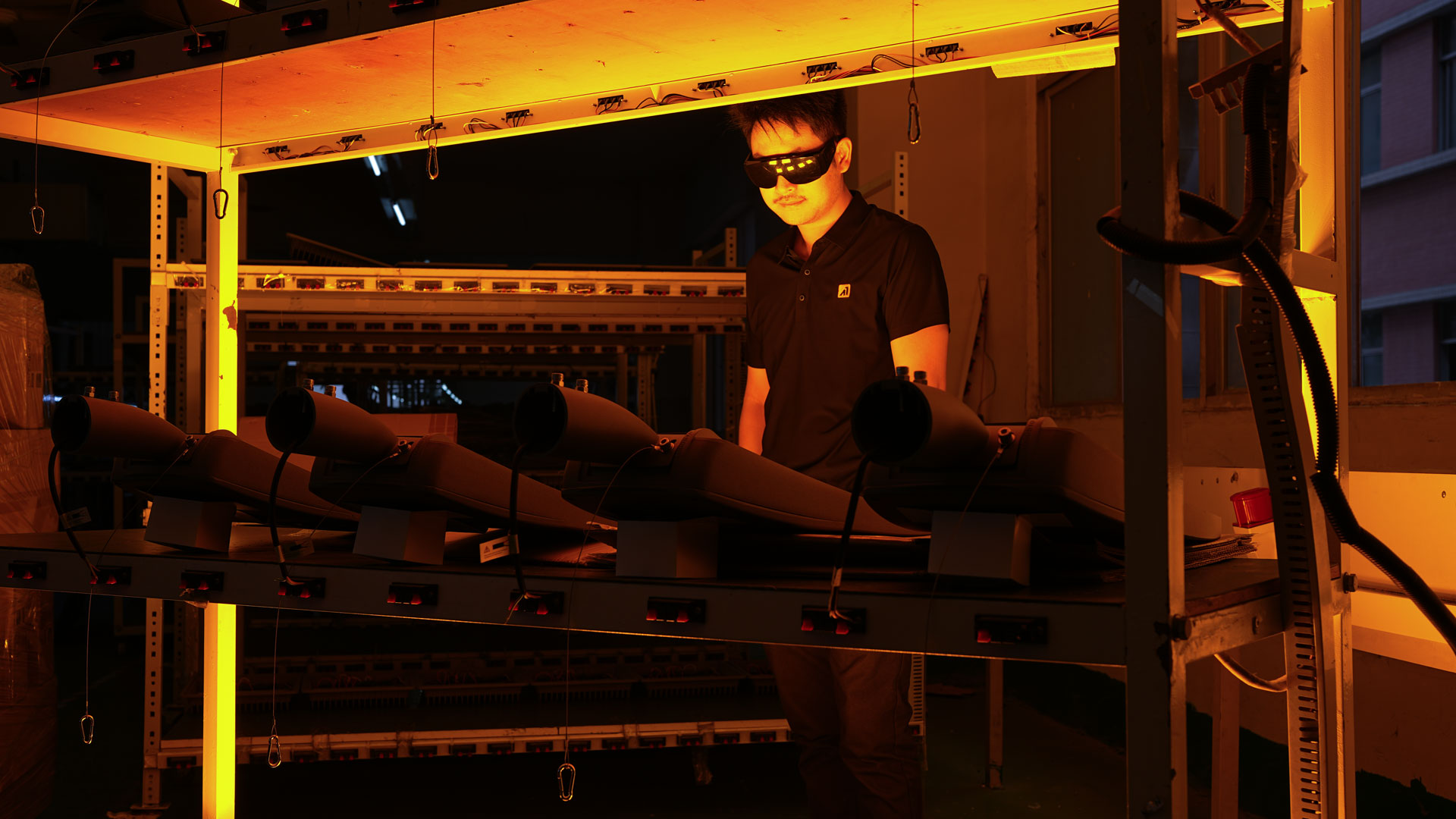
Alite Lighting has supported lighting companies, contractors, distributors and project buyers since 2013 with outdoor LED products, technical documentation and stable batch delivery. Its project process covers product selection, environmental adaptation, inspection and after-sales communication.
For a premium municipal application, the ASL23 LED street light offers configurations up to 200 lm/W, IP66, IK10, a die-cast aluminum housing and tool-free driver-compartment access. For other budgets and layouts, Alite also offers project, standard and economical street light families with efficacy options reaching 220 lm/W on selected models.[11][12]
Exact wattage, distribution, controls, certificates and warranty should be confirmed against the final project specification.
Use a Procurement Checklist
A complete request for quotation should include the road geometry, lighting criteria, approved standards, electrical environment, control interface, quantity and delivery schedule. It should also request the IES file, relevant test reports, installation instructions, warranty terms and a sample approval process.
| Decision area | Information to specify | Evidence to request |
|---|---|---|
| Road data | Width, lanes, pole height and spacing, arm and tilt | Lighting calculation and IES simulation |
| Optical target | Illuminance or luminance, uniformity, glare and spill light | LM-79 report and matching IES file |
| Efficiency | Luminaire lm/W at quoted wattage and CCT | Measured system power and efficacy |
| Outdoor durability | IP, IK, housing, coating, gasket and cable entry | Relevant test reports and material details |
| Electrical protection | Input range, insulation class, SPD, PF and harmonic limits | Driver and SPD specifications |
| Maintenance | Tool access, replaceable parts, spares and warranty | Service method and parts commitment |
| Controls | Photocell, NEMA or Zhaga, 0-10 V or DALI | Interface drawing and commissioning scope |
Confirm the exact test standard, model number and configuration before using any report in a tender or approval package.
Build the Specification Before Comparing Prices
A detailed specification gives every supplier the same technical baseline and makes quotations easier to compare. It also helps the selected manufacturer propose a verifiable road lighting result instead of a generic fixture.