العربية
 Español
 Pусский
 lingua italiana
 Français
 Deutsch
 Portugues



LED solar energy is an important part of outdoor lighting, including any outdoor products, such as solar street lights, solar floodlights, solar garden lights, solar lawn lights, solar wall lights, etc.
As one of the three cleanest energy sources (solar energy, wind energy, and hydro-power), solar energy is the most practical and most widely used clean energy source. Because of its ubiquity, it has been accepted by many countries and regions, especially in some third world countries. Because the cost of laying a power grid is too expensive, many countries have poor infrastructure, and the voltage is extremely unstable. However, solar energy resources are extremely abundant, so it has gradually become a mainstream lighting product in some areas.
Solar street light is a lighting device that uses solar energy to generate electricity. It converts solar energy into electrical energy through solar panels, then stores it in batteries, and then controls the discharge of the batteries through a controller to drive LED lights for lighting.
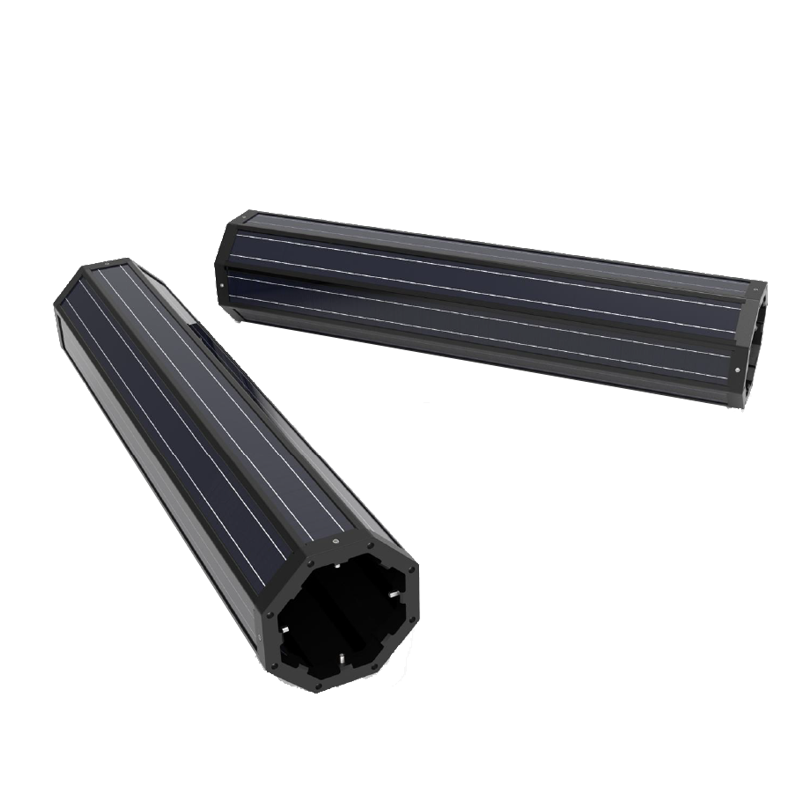
In order to test the quality of solar street light panels, we can evaluate and test from the following aspects.
1. Solar panel efficiency test:
The efficiency of a solar panel refers to its ability to convert solar energy into electricity. We can use a solar panel tester to measure the output power and current of a solar panel and then calculate its efficiency. Higher efficiency means solar panels are more efficient at converting solar energy into electricity, thus providing more power.
2. Battery storage capacity test:
The battery is the energy storage device of the solar street light panel, which needs to be able to store enough electrical energy for night lighting. We can evaluate the battery’s storage capacity through charging tests. Expose the solar panel to sunlight to charge, then measure the battery’s voltage and current, as well as the charging time. Higher voltage and current and shorter charging times mean the battery has better storage capacity.
3. Solar controller function test:
The solar controller is the core component of the solar street light panel. It is responsible for controlling the discharge of the battery and the lighting of the LED lights. We can test the functionality of the solar controller by simulating different lighting conditions. For example, you can use the method of blocking solar panels to simulate night or cloudy lighting conditions and observe whether the solar controller can correctly control the discharge of the battery and the lighting of the LED lights.
4. LED light brightness test:
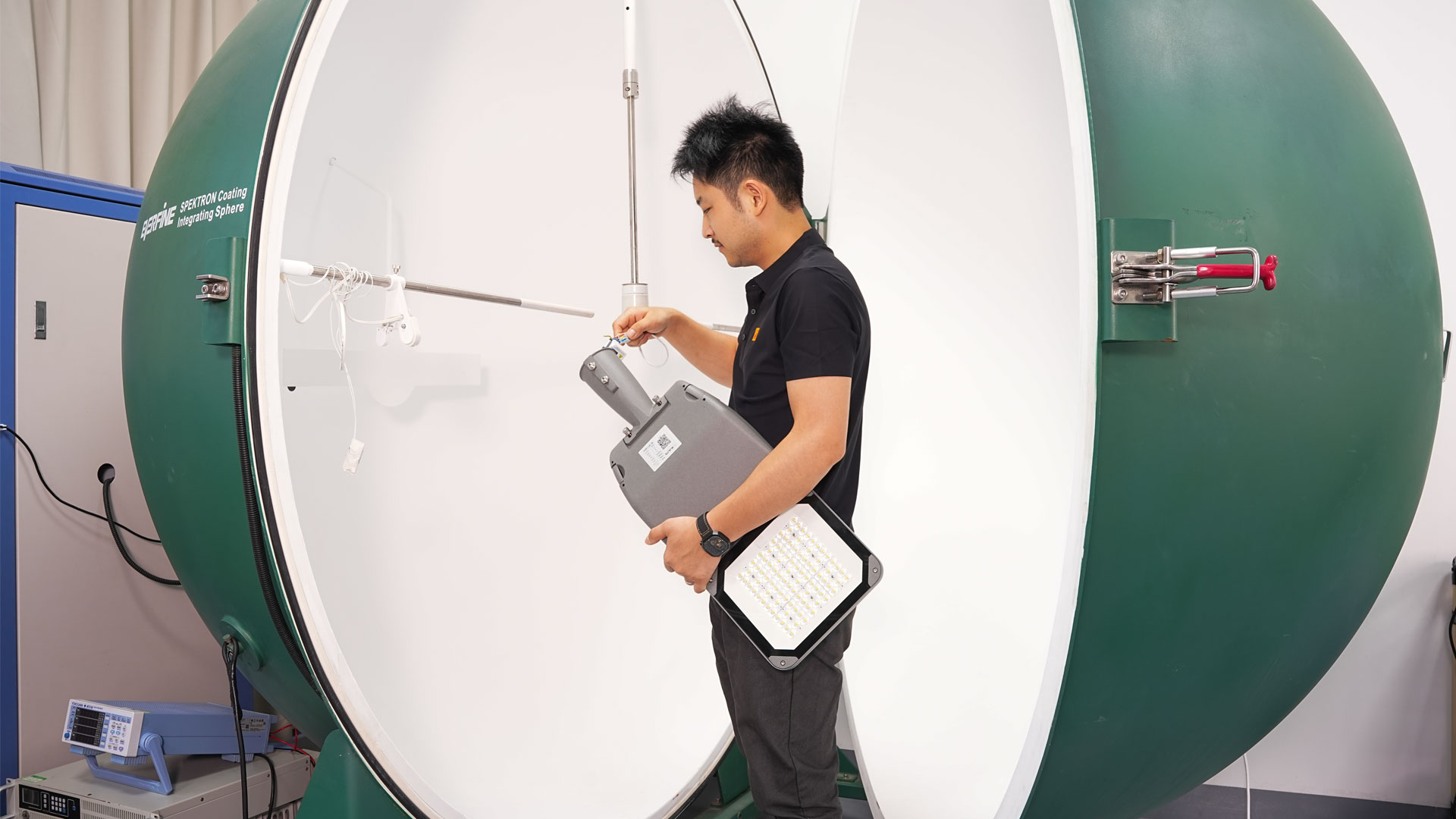
The brightness of LED lights is an important indicator for evaluating the lighting effect of solar street light panels. We can use a photometer to measure the brightness of LED lights. Place the photometer within a certain distance, then turn on the LED light for illumination and measure the reading of the photometer. A higher reading means the LED light has higher brightness and can provide better lighting effects.
5. Durability test:
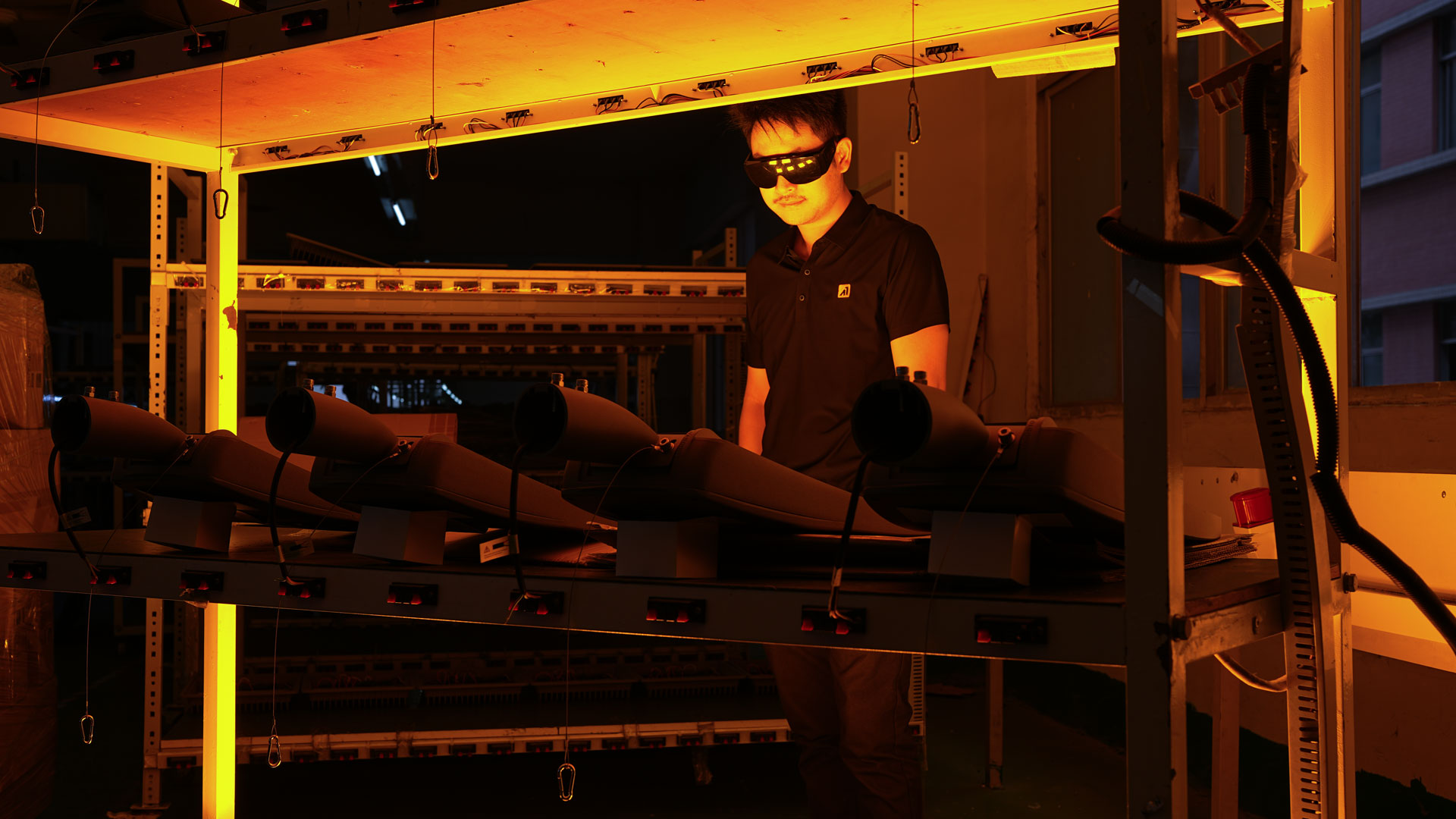
Solar street light panels need to be able to work normally under various harsh environmental conditions, so durability is an important test indicator. We can expose the solar street light panels to high temperature, low temperature, humidity and other environmental conditions to observe whether they can work normally. In addition, vibration testing and impact testing can also be performed to evaluate the durability of solar street light panels.

Through the above test methods, we can evaluate the solar panel efficiency, battery storage capacity, solar controller function, LED light brightness and durability of the solar street light panel. These tests can help us select high-quality solar street light panels and ensure that they can work properly under various environmental conditions and provide reliable lighting effects.