العربية
 Español
 Pусский
 lingua italiana
 Français
 Deutsch
 Portugues



One of the noteworthy features of SMD LED technology is its ability to deliver improved thermal management. By attaching the LED components directly to the circuit board, heat dissipation is enhanced, contributing to the longevity and reliability of the LED array. Additionally, the reduced size and weight of SMD LEDs make them well-suited for applications requiring lightweight and low-profile lighting solutions.
What does SMD mean in led lights?
SMD, or Surface Mounted Device, is a notable term of light-emitting diodes (LEDs). It refers to a specific technology used in the construction of LED arrays. In the SMD approach, LED components are directly mounted onto the surface of a circuit board, presenting a contrast to other prevalent LED packaging methods such as Chip-on-Board (COB) or Dual In-line Package (DIP).
Surface Mounted Device technology offers distinct advantages, particularly in terms of its compact design and versatility. Unlike traditional LEDs encapsulated in epoxy resin, SMD LEDs are directly soldered onto the circuit board, allowing for a more streamlined and space-efficient arrangement. This design flexibility makes SMD LEDs highly suitable for applications where size constraints or intricate designs are a priority.
One of the noteworthy features of SMD LED technology is its ability to deliver improved thermal management. By attaching the LED components directly to the circuit board, heat dissipation is enhanced, contributing to the longevity and reliability of the LED array. Additionally, the reduced size and weight of SMD LEDs make them well-suited for applications requiring lightweight and low-profile lighting solutions.
Moreover, SMD LEDs are known for their exceptional brightness and energy efficiency. The technology enables the creation of LED arrays with high lumen output, making them suitable for various lighting applications, ranging from general illumination to specialized uses such as display screens and automotive lighting.
Surface Mounted Device technology represents a significant advancement in the construction of LED arrays. Its compact design, efficient thermal management, and versatility make SMD LEDs a popular choice for a wide array of lighting applications in our ever-evolving technological landscape. As the demand for smaller, brighter, and more energy-efficient lighting solutions continues to grow, SMD technology plays a crucial role in meeting these requirements.
What are the advantages of SMD LED?
Surface Mounted Device (SMD) LED technology offers a myriad of advantages, making it a popular choice in light-emitting diodes. The distinctive features of SMD LEDs contribute significantly to their appeal and effectiveness in various lighting applications. Here are some notable advantages:
Compact Design for Space Efficiency: SMD LEDs are characterized by their small size, allowing for a compact form factor in lighting solutions. This inherent compactness enables the creation of sleek and space-efficient designs without compromising on performance. It is particularly advantageous in applications where space constraints are a critical consideration.
Enhanced Brightness and Efficiency: SMD LEDs are known for their high brightness and energy efficiency. The technology allows for the creation of LED arrays with impressive lumen output, making them suitable for a wide range of lighting applications. The efficient use of energy contributes to environmentally friendly and cost-effective lighting solutions.
Versatility in Design and Placement: The surface-mount nature of SMD LEDs provides design flexibility, allowing for versatile placement on circuit boards. This versatility makes SMD LEDs suitable for various applications, including intricate designs and scenarios where specific lighting patterns or arrangements are required.
Improved Thermal Management: SMD LEDs excel in thermal management due to their direct attachment to the circuit board. This efficient heat dissipation contributes to the longevity and reliability of the LED array. The reduced heat buildup ensures consistent performance over extended periods, enhancing the overall lifespan of the lighting system.
Ease of Integration and Manufacturing: SMD LED technology simplifies the manufacturing process as it involves the direct soldering of LED components onto the circuit board. This streamlined approach reduces the number of components required, leading to increased reliability and ease of integration into a variety of lighting fixtures and systems.
Uniform Light Distribution: SMD LED arrays offer a remarkable degree of uniformity in light distribution. This characteristic holds even when the LEDs are positioned in close proximity to the working surface. The uniform illumination is crucial for applications where consistent and even lighting is essential, minimizing shadows and promoting optimal visibility.
What is the lifespan of SMD LED?
The lifespan of SMD (Surface Mounted Device) LED lights is typically measured in hours of operation. SMD LEDs are known for their longevity, and their lifespan is influenced by various factors, including the quality of the LEDs, operating conditions, and usage patterns. On average, high-quality SMD LED lights can have a lifespan ranging from 30,000 to 50,000 hours of continuous operation.
Here's a breakdown of the factors that can impact the lifespan of SMD LED lights:
Quality of Components: The quality of the LED components used in SMD technology plays a crucial role. Higher-quality materials and manufacturing processes can result in more durable LEDs with a longer lifespan.
Operating Conditions: The environment in which SMD LEDs operate can affect their lifespan. Factors such as temperature, humidity, and exposure to external elements can impact the performance and longevity of the LEDs. SMD LEDs are generally sensitive to high temperatures, and excessive heat can accelerate degradation.
Usage Patterns: The way in which SMD LED lights are used also influences their lifespan. Continuous operation at maximum brightness may lead to a shorter lifespan compared to lights used at lower intensity or intermittently.
Driver Quality: The electronic driver that powers the SMD LEDs can impact their performance. A high-quality driver with proper voltage regulation and protection mechanisms can contribute to a longer lifespan for the LEDs.
It's essential to note that the term "lifespan" typically refers to the point at which the LEDs reach a certain level of lumen depreciation, often around 70% of their initial brightness. Beyond this point, the light output diminishes, and the LEDs may no longer meet the required illumination levels.
The lifespan of SMD LED lights can vary, but a well-designed and high-quality SMD LED light source can offer tens of thousands of hours of reliable operation when used under optimal conditions. Regular maintenance and adherence to manufacturer guidelines for installation and usage can contribute to maximizing the lifespan of SMD LED lights.
What are the applications of SMD LEDs?
SMD (Surface Mounted Device) LEDs find widespread applications across various industries due to their compact size, energy efficiency, and versatility. Some notable applications of SMD LEDs include:
General Lighting:
Home Lighting: SMD LEDs are commonly used in residential lighting applications, including bulbs, downlights, and decorative fixtures.
Commercial Lighting: They are employed in offices, retail spaces, and other commercial environments for general illumination and accent lighting.
Automotive Lighting:
Headlights and Taillights: SMD LEDs are used in automotive lighting systems for headlights, taillights, and other exterior and interior lighting applications.
Dashboard and Interior Lighting: The compact size of SMD LEDs makes them suitable for providing illumination in dashboard displays and interior lighting within vehicles.
Electronic Displays:
LED Screens: SMD LEDs are commonly used in LED displays, digital signage, and large electronic screens due to their brightness and ability to produce vibrant colors.
Backlighting for TVs and Monitors: SMD LEDs are employed as backlight sources in LED TVs, computer monitors, and other electronic displays.
Consumer Electronics:
Mobile Phones and Tablets: SMD LEDs are used as backlight sources for the displays in mobile devices and tablets.
Indicator Lights: Their small size makes SMD LEDs suitable for indicator lights on various consumer electronics.
Architectural Lighting:
Accent Lighting: SMD LEDs are utilized for accentuating architectural features, highlighting artwork, and creating visually appealing lighting effects in architectural designs.
Cove Lighting: SMD LEDs are often installed in concealed locations to provide indirect lighting in architectural coves, creating a soft and ambient glow.
Signage and Channel Letters:
Illuminated Signs: SMD LEDs are commonly used in signage and channel letters for businesses, providing bright and energy-efficient illumination for logos and messages.
Medical and Scientific Equipment:
Microscopy Illumination: The compact size of SMD LEDs makes them suitable for providing illumination in microscopy applications and other scientific instruments.
Medical Devices: SMD LEDs find use in medical devices and equipment due to their small form factor and precision illumination capabilities.
Gaming and Entertainment:
Gaming Consoles and Accessories: SMD LEDs are integrated into gaming peripherals, consoles, and accessories to provide customizable and visually appealing lighting effects.
Street Lighting and Outdoor Applications:
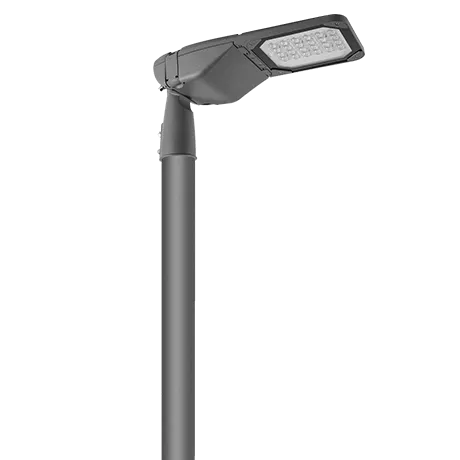
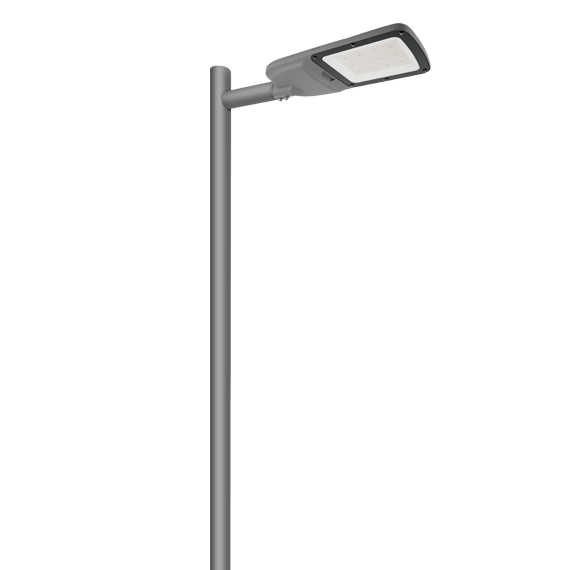
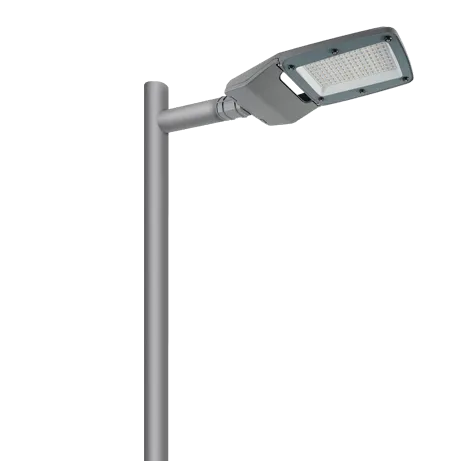
Streetlights: SMD LEDs are used in outdoor lighting fixtures, including streetlights and pathway lights, for energy-efficient and long-lasting illumination.
Industrial and Manufacturing:
Machine Vision Lighting: SMD LEDs are employed in machine vision systems for quality control and inspection processes in manufacturing.
Task Lighting: SMD LEDs are used for task lighting in industrial settings where precise illumination is required for specific tasks.
Disadvantages of SMD LED Technology
While SMD (Surface Mounted Device) LED technology offers numerous advantages, it is important to consider some potential disadvantages as well. Here are a few drawbacks associated with SMD LED technology:
Heat Sensitivity: SMD LEDs are sensitive to heat, and excessive heat can affect their performance and lifespan. Proper thermal management is crucial to prevent overheating and ensure optimal operation. In high-temperature environments, additional cooling mechanisms may be required.
Repair and Replacement: Repairing or replacing individual SMD LEDs can be challenging, especially for those integrated into tightly packed electronic devices or fixtures. Unlike traditional through-hole LEDs, which can be easily replaced, SMD LEDs may require specialized tools and skills for intricate soldering work.
Cost of Initial Setup: The initial setup cost for SMD LED technology, including the equipment and processes involved in surface mounting, can be relatively higher compared to other LED packaging methods. This may pose a barrier for small-scale or budget-conscious applications.
Complex Manufacturing Process: The manufacturing process for SMD LEDs involves precise soldering of components onto a circuit board. This process can be complex and may require specialized machinery, contributing to the overall complexity of production.
Brightness Limitations: While SMD LEDs offer high brightness levels, there may be limitations compared to some other LED technologies, such as Chip-on-Board (COB) LEDs, in terms of achieving extremely high lumen output from a single device.
Risk of Damage During Handling: SMD LEDs are small and delicate, making them susceptible to damage during handling and assembly. Care must be taken to avoid static electricity, physical stress, or mishandling that could result in the malfunction or failure of individual components.
Limited Color Rendering Options: In certain applications, SMD LEDs may have limitations in providing a wide range of color options and high color rendering index (CRI). This can impact their suitability for applications where accurate color representation is critical.
Environmental Concerns: SMD LEDs may contain materials that could pose environmental challenges if not properly disposed of or recycled. It is essential to adhere to proper disposal procedures to mitigate environmental impact.
Focused Light Emission: The directional nature of light emission in SMD LEDs may result in a more focused beam compared to some other LED technologies. This characteristic may require additional optics or diffusers for certain applications that demand a broader or more diffused light pattern.
Despite these potential disadvantages, it's crucial to note that advancements in technology and manufacturing processes continuously address and mitigate many of these concerns. The selection of LED technology should be based on the specific requirements of the application and the trade-offs that best align with the desired outcome.
Related Article: