العربية
 Español
 Pусский
 lingua italiana
 Français
 Deutsch
 Portugues



Solar LED street lights stand as a remarkable fusion of sustainability and innovation, providing a cleaner, cost-effective, and environmentally responsible solution for outdoor lighting needs. As the world continues to embrace renewable energy technologies, these lights do more than illuminate our streets—they light the way to a brighter, more sustainable future accessible to all.
Harnessing the Sun's Power: The Innovation of Solar LED Street Lights
In an era when sustainable energy solutions are at the forefront of global initiatives, solar LED street lights have emerged as a shining example of innovation and environmental consciousness. These intelligent outdoor lighting systems not only illuminate our streets and public spaces but also do so using clean, renewable solar energy. In this article, Alite will delve into what solar LED street lights are and why they represent a transformative approach to outdoor lighting.
Brightening the Night: The Inner Workings of Solar LED Street Lights
In a world increasingly focused on sustainability and eco-conscious solutions, solar LED street lights have emerged as symbols of innovation and environmental responsibility. These ingenious outdoor lighting systems not only light up our streets and public spaces but also do so using the clean, renewable energy of the sun. In this article, we'll explore the fascinating mechanics of how solar LED street lights function, shedding light on the technology behind them.
Solar LED Street Lights: A Comprehensive Overview
Solar LED street lights are advanced lighting systems engineered to provide illumination for outdoor areas such as streets, roads, pathways, parking lots, and more. Their operation relies on harnessing sunlight during the daytime and utilizing this stored energy to power high-efficiency LED light fixtures during the night. This intricate technology comprises several vital components that work in harmony to deliver optimal performance:
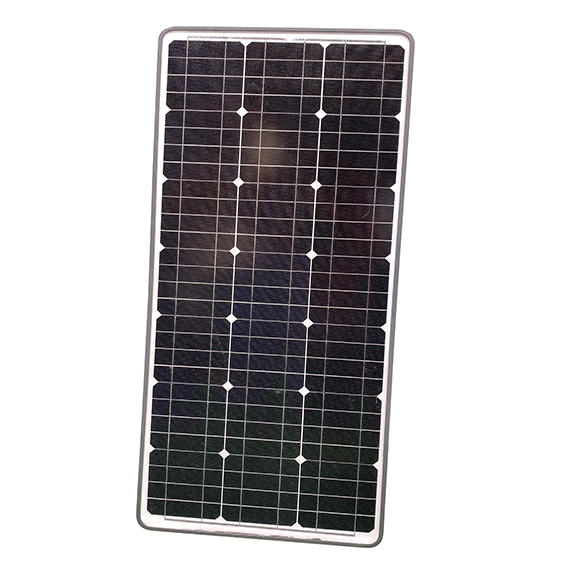
Solar Panels: At the core of the system, solar panels are typically installed atop the street light fixture or on nearby poles. These panels play a critical role in capturing sunlight and converting it into electricity through a process called photovoltaics. Solar panels come in various sizes and capacities, tailored to the energy requirements of different lighting installations.
Rechargeable Batteries: The electricity generated by the solar panels is not used immediately but is stored in rechargeable batteries. These batteries act as reservoirs, accumulating excess energy during the day to ensure the lights can operate efficiently throughout the night or in cloudy conditions.
LED Light Fixtures: High-efficiency LED light fixtures take center stage as the primary source of illumination. LEDs are favored for their exceptional energy efficiency, extended lifespan, and impressive brightness. They are available in various wattages, making them suitable for a wide range of lighting needs, from residential streets to major thoroughfares.
Controller: Serving as the system's central intelligence, the controller manages its operation. It carefully regulates when the lights turn on and off based on ambient light levels and battery capacity. Some advanced controllers offer additional features such as programmable settings and remote monitoring capabilities.
Photocell (Light Sensor): Many solar LED street lights incorporate a photocell or light sensor. This sensor is responsible for monitoring natural light levels. When darkness falls, the photocell triggers the lights to turn on automatically. During daylight hours, the lights remain dormant to conserve precious energy resources.

The Advantages of Solar LED Street Lights
Environmental Sustainability: Solar LED street lights are inherently eco-friendly. They rely on solar energy, a renewable source, and produce no greenhouse gases or other pollutants. This aligns seamlessly with global efforts to reduce carbon footprints and combat climate change.
Energy Savings: By harnessing solar energy, these lights offer significant reductions in electricity costs. They tap into the abundant energy of the sun, providing a cost-effective lighting solution that places minimal strain on the grid.
Low Maintenance: Maintenance requirements for solar LED street lights are minimal compared to traditional street lights. LED fixtures have long lifespans, and the system's components are built for durability.
Off-Grid Operation: Solar LED street lights are an ideal choice for remote or off-grid locations. They function independently, eliminating the need for costly infrastructure to connect them to the grid.
Improved Safety: The bright, consistent illumination provided by LED lights enhances safety on streets, pathways, and public spaces. This reduces the risk of accidents and improves overall visibility.
Long Lifespan: LED lights outperform traditional incandescent or fluorescent bulbs with their significantly extended lifespan, resulting in additional cost savings.
How to choose the Right Solar LED Street Light?
Choosing the right solar LED street light requires a thoughtful evaluation of various factors to ensure it meets your specific needs and location conditions. Here's a step-by-step guide to help you make an informed decision:
Determine Your Lighting Needs: Define the purpose of the lighting (e.g., street illumination, pathway lighting, parking lot lighting). Calculate the required brightness level in lumens based on the area's size and usage. Consider relevant lighting standards for reference.
Assess Solar Potential: Analyze the location's solar potential by assessing the average daily sunlight hours throughout the year. Identify potential obstructions like buildings, trees, or other structures that could cast shadows on the solar panels.
Consider Local Climate and Weather: Take into account the local climate and weather patterns. If the area experiences extended periods of cloudy or rainy weather, you may need a larger solar panel and battery capacity.
Determine Operating Hours: Decide how many hours per night the lights should operate. This will help determine the battery capacity required.
Select Solar Panel Capacity: Choose solar panels with the appropriate capacity to capture sufficient energy during daylight hours. Larger panels may be necessary in areas with less sunlight.
Battery Capacity: Opt for batteries with adequate capacity to store surplus energy during sunny days, ensuring uninterrupted operation during cloudy or rainy periods. Larger capacity batteries also extend battery lifespan.
Efficient LED Fixtures: Select LED light fixtures with high efficiency. LEDs consume less energy and have longer lifespans compared to traditional bulbs, leading to cost savings.
Evaluate Lighting Control Features: Assess the lighting control options provided by the system's controller. Some controllers offer programmable settings, dimming capabilities, and remote monitoring, allowing customization based on specific needs and conditions.
Review Installation Site: Examine the installation site and ensure there's adequate space for mounting solar panels and light fixtures. Ensure that there are no obstructions blocking sunlight.
Budget Considerations: Determine your budget for the solar LED street light project. High-quality components may have a higher initial cost but can result in long-term savings and reliability.
Local Regulations and Incentives: Check local regulations or permitting requirements for installing solar LED street lights in your area. Investigate potential incentives, rebates, or grants offered by local or regional authorities to offset installation costs.
Consult Professionals: Consider consulting with experts in solar lighting or reputable suppliers who can offer guidance based on local conditions and project requirements.
Warranty Considerations: Review the warranties provided by the manufacturer for solar panels, batteries, LED fixtures, and other components. Longer warranties are often indicative of higher-quality products.
Environmental Impact: Consider the environmental impact of the lighting system. Opting for a solar-powered solution reduces carbon emissions and contributes to sustainability.
Maintenance Requirements: Understand the maintenance requirements of the chosen solar LED street light system. Systems with minimal maintenance needs are generally more cost-effective.
By carefully evaluating these factors and conducting a comprehensive assessment of your location and lighting requirements, you can select the right solar LED street light system that provides efficient, reliable, and sustainable illumination while optimizing energy savings.
Solar LED street lights stand as a remarkable fusion of sustainability and innovation, providing a cleaner, cost-effective, and environmentally responsible solution for outdoor lighting needs. As the world continues to embrace renewable energy technologies, these lights do more than illuminate our streets—they light the way to a brighter, more sustainable future accessible to all.