العربية
 Español
 Pусский
 lingua italiana
 Français
 Deutsch
 Portugues



UFO LED shop lights are an excellent choice for a wide range of commercial and industrial applications due to their efficiency, versatility, and robust performance. Whether you're illuminating a warehouse, gym, or retail space, understanding the key aspects of installation, dimming capabilities, and proper usage will help you maximize the benefits of these advanced lighting solutions.
UFO LED shop lights have become the preferred choice for industrial and commercial spaces, offering energy efficiency, durability, and excellent illumination. With their distinct design and powerful performance, these lights are ideal for large spaces with high ceilings. Here Alite lighting will address common questions about UFO LED shop lights, providing detailed insights into their installation, usage, and benefits.
1. How Do You Hang High Bay UFO Lights?
Hanging high bay UFO lights requires proper planning to ensure optimal light distribution. These lights are typically mounted using chains, hooks, or brackets. The process involves the following steps:
- Measure the Ceiling Height: Determine the height at which the lights will be installed. This is crucial for selecting the correct mounting method and ensuring proper illumination.
- Use the Right Hardware: Select strong, durable hardware such as steel chains or aluminum brackets, designed to support the weight of the lights.
- Determine the Spacing: Calculate the appropriate spacing between lights based on the ceiling height and the area that needs to be illuminated.
- Secure the Fixtures: Attach the lights securely to the ceiling, ensuring that they are level and properly aligned for even light distribution.
2. Can You Dim LED High Bay Lights?
Yes, LED high bay lights, including UFO models, can be dimmed. Many high bay LED lights come with dimmable drivers that allow you to adjust the brightness to suit your needs. Dimming not only enhances the flexibility of your lighting system but also contributes to energy savings. The dimming function can be controlled via:
- 0-10V Dimming: A common method where a low-voltage signal controls the light intensity.
- DALI (Digital Addressable Lighting Interface): A more advanced system that allows for precise control and integration with smart building systems.
- Phase-Cut Dimming: Compatible with standard dimmer switches, this method is less common for high bays but still available.
3. What is the Minimum Height for LED High Bay?
The minimum height for installing LED high bay lights is generally around 15 feet. Below this height, the intense light output may create glare and uneven light distribution, which can be uncomfortable for occupants. High bay lights are designed for higher ceilings, typically ranging from 15 to 40 feet. For lower ceilings, low bay lights are recommended to provide softer, more diffused lighting.
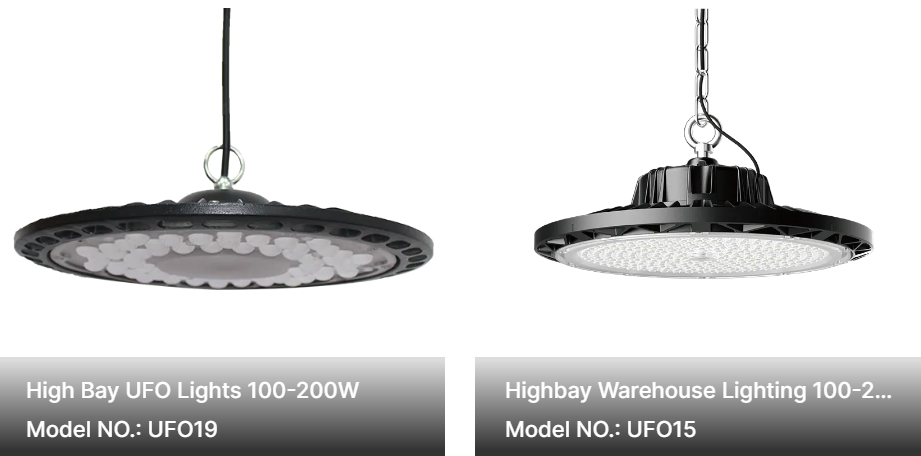
4. What Are the Applications of LED High Bay?
LED high bay lights are versatile and can be used in a variety of settings, including:
- Warehouses: Providing bright, consistent lighting for large storage areas.
- Factories: Enhancing visibility for detailed work in manufacturing environments.
- Gymnasiums: Illuminating sports facilities with even, glare-free light.
- Retail Stores: Offering clear, attractive lighting that enhances product displays.
- Airports and Hangars: Ensuring safe, well-lit environments for operations.
5. Will LED Lights Raise Electric Bill?
LED lights are known for their energy efficiency and are unlikely to significantly raise your electric bill. In fact, they typically reduce energy costs compared to traditional lighting. For example, replacing a 400W metal halide light with a 150W LED can reduce energy consumption by over 60%. The initial investment in LED lighting may be higher, but the long-term savings on energy bills and maintenance make it a cost-effective choice.
6. Are High Bay Lights Waterproof?
Many high bay lights, including UFO models, are designed to be waterproof or water-resistant, making them suitable for environments where moisture or humidity is a concern. The level of protection is indicated by the IP (Ingress Protection) rating. For instance:
- IP65: Dust-tight and protected against water jets.
- IP66: Offers protection against powerful water jets.
These ratings ensure that the lights can withstand harsh conditions, such as in warehouses with frequent cleaning or in outdoor settings.
7. Does Leaving LED Lights On Use a Lot of Electricity?
LED lights are highly energy-efficient, so leaving them on for extended periods does not consume a lot of electricity. For instance, a 100W LED light that runs for 10 hours will use only 1 kWh of electricity, compared to a traditional 400W metal halide light that would use 4 kWh in the same period. However, it's still advisable to turn off lights when not in use to further conserve energy.
8. Can You Dim High Bay Lights?
As mentioned earlier, high bay lights can indeed be dimmed, and this feature is particularly useful in spaces where lighting needs vary throughout the day. Dimming capabilities not only enhance energy efficiency but also extend the lifespan of the lights by reducing the stress on the LEDs when full brightness is not required.
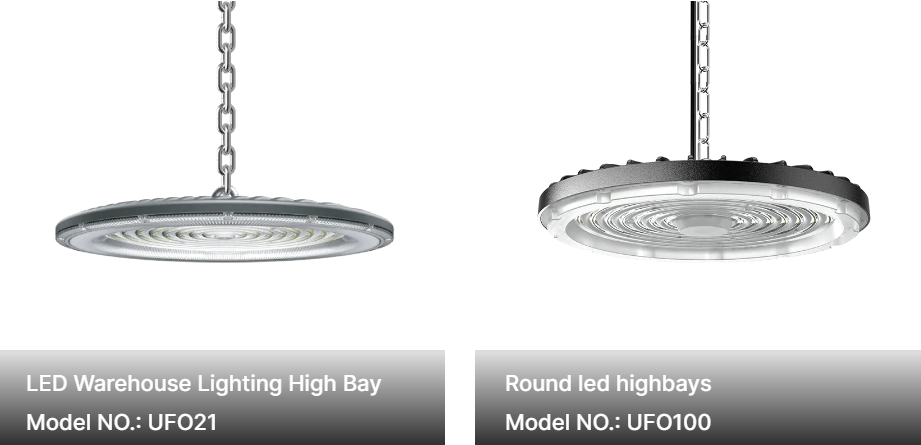
9. What Height is Considered a High Bay?
A high bay ceiling is generally considered to be any height above 15 feet. The term "high bay" is used to describe spaces with tall ceilings, typically ranging from 15 to 40 feet, where the light fixtures need to provide powerful, focused illumination to reach the floor level. High bay lights are designed specifically for these environments, delivering bright, concentrated light to large areas.
10. What is Low Bay vs. High Bay LED Lights?
The primary difference between low bay and high bay LED lights is the ceiling height they are designed for and their light distribution patterns:
- Low Bay Lights: Suitable for ceilings under 15 feet. They provide a wider, more diffused light pattern, ideal for smaller spaces like retail stores, offices, or garages.
- High Bay Lights: Designed for ceilings 15 feet or higher, providing a more focused, intense light beam that effectively illuminates large areas such as warehouses or gymnasiums.
Choosing between low bay and high bay lights depends on the height of your ceiling and the specific lighting needs of your space.
UFO LED shop lights are an excellent choice for a wide range of commercial and industrial applications due to their efficiency, versatility, and robust performance. Whether you're illuminating a warehouse, gym, or retail space, understanding the key aspects of installation, dimming capabilities, and proper usage will help you maximize the benefits of these advanced lighting solutions. By carefully selecting the right lights and considering the factors discussed in this article, you can ensure optimal lighting performance and energy efficiency in your facility.