العربية
 Español
 Pусский
 lingua italiana
 Français
 Deutsch
 Portugues



For industrial lighting, the shift towards high bay LED warehouse lights has been transformative, marking a departure from conventional lighting solutions. The adoption of LED technology in high bay applications brings forth a myriad of features that set it apart from traditional alternatives.
Features Distinguishing High Bay LED Warehouse Lights from Traditional Solutions
For industrial lighting, the shift towards high bay LED warehouse lights has been transformative, marking a departure from conventional lighting solutions. The adoption of LED technology in high bay applications brings forth a myriad of features that set it apart from traditional alternatives. Now Alite Lighting will share the distinctive features that contribute to the superiority of high bay LED lights in warehouse environments.
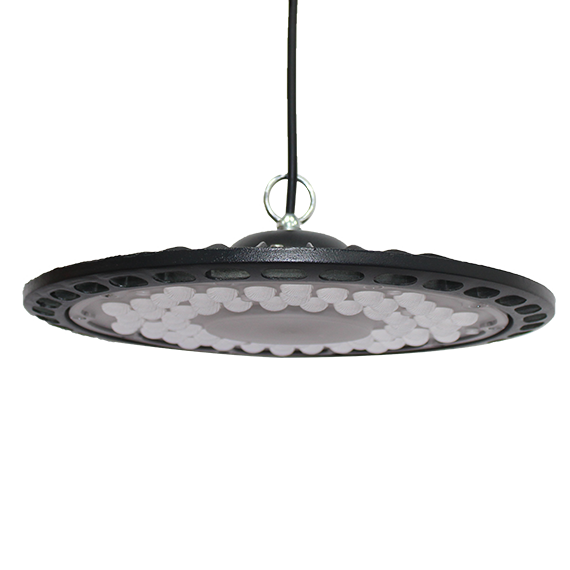
Energy Efficiency: One of the standout features of high bay LED lights is their unparalleled energy efficiency. Unlike traditional lighting solutions such as metal halide or fluorescent lights, LED fixtures convert a significantly higher percentage of energy into visible light. This efficiency translates to reduced energy consumption, resulting in substantial cost savings for warehouse operators.
Longevity and Durability: High bay LED lights boast an impressive lifespan that surpasses traditional counterparts. The solid-state construction of LEDs enables them to withstand frequent on/off cycles and harsh environmental conditions. This longevity not only reduces maintenance costs but also ensures a consistent and reliable illumination over an extended period.
Instant Illumination: Unlike some traditional lights that may take time to reach full brightness, high bay LED lights provide instant illumination. This feature is especially crucial in warehouse environments where quick and reliable lighting is essential for maintaining productivity and safety standards.
Customizable Color Temperature: High bay LED lights offer a customizable color temperature, allowing businesses to tailor the lighting to specific needs. This flexibility is beneficial for creating optimal working conditions, enhancing visibility, and influencing the overall atmosphere within the warehouse.
Directional Lighting and Optimal Light Distribution: LED technology inherently produces directional light, ensuring that a higher percentage of the emitted light reaches the intended target. Coupled with advanced optics, high bay LED fixtures provide optimal light distribution, minimizing wasted light and ensuring uniform illumination across large warehouse spaces.
Dimming and Smart Control Options: High bay LED lights often come equipped with dimming capabilities and smart control systems. This allows for precise control over the lighting environment, enabling businesses to adjust brightness levels based on operational needs, time of day, or occupancy. Smart controls also contribute to additional energy savings.
Environmental Sustainability: The eco-friendly nature of high bay LED lights is a key distinguishing feature. These lights are free from hazardous materials, such as mercury in fluorescent bulbs, making them easier to recycle. The energy efficiency of LEDs also aligns with sustainability goals, reducing greenhouse gas emissions associated with energy consumption.
In the competitive realm of warehouse lighting, the features that distinguish high bay LED lights from traditional solutions are compelling. The combination of energy efficiency, longevity, instant illumination, customizable options, and sustainability make high bay LED warehouse lights a forward-looking choice for businesses seeking to optimize both their lighting and operational efficiency. As technology continues to advance, high bay LED lights are likely to play an increasingly pivotal role in the evolution of industrial lighting solutions.
What are the key considerations in selecting the appropriate wattage for high bay warehouse lighting?
Effective warehouse lighting is essential for creating a safe, productive, and efficient working environment. Among the various lighting options available, high bay LED lighting has gained prominence for its energy efficiency and superior illumination. One critical aspect in optimizing the performance of high bay warehouse lighting is selecting the appropriate wattage. This decision involves careful consideration of several factors to ensure optimal functionality and cost-effectiveness.

Key Considerations in Selecting the Appropriate Wattage for warehouse led high bay lights
Ceiling Height: The height of the warehouse ceiling is a fundamental factor influencing the choice of wattage. High bay lights are specifically designed for ceilings that exceed 20 feet. Taller ceilings generally require higher wattage to ensure adequate light coverage on the floor. Understanding the height of the space is crucial for determining the appropriate luminous output.
Illuminance Requirements: The nature of warehouse activities dictates the required illuminance level. Areas with detailed tasks, such as order picking, may require higher wattage for better visibility. Warehouses with racking systems also need to consider the vertical illuminance to ensure light reaches lower and upper storage levels uniformly.
Light Distribution Patterns: Different high bay fixtures offer various light distribution patterns, such as symmetrical, asymmetrical, or round. The choice of wattage should align with the specific distribution needed for the warehouse layout. Proper distribution ensures even lighting across the entire space, minimizing shadows and dark spots.
Occupancy and Usage Patterns: Understanding the patterns of warehouse occupancy and usage is vital. For warehouses with consistent activity throughout the day, a balanced, continuous lighting solution may be suitable. In contrast, warehouses with fluctuating activity levels might benefit from dimmable fixtures or motion sensor technologies to optimize energy usage.
Color Rendering Index (CRI) Requirements: The color rendering index measures how accurately a light source represents colors. Warehouses dealing with color-coded inventory or intricate tasks may require a higher CRI. The appropriate wattage should be chosen to maintain a balance between energy efficiency and color accuracy.
Energy Efficiency Goals: As sustainability becomes a priority for many businesses, selecting the right wattage contributes to energy efficiency goals. LED technology inherently provides energy savings, and choosing an appropriate wattage ensures that the lighting system operates efficiently without unnecessary power consumption.
Lighting Control Options: Consideration should be given to the available lighting control options. Some high bay LED fixtures come with advanced control systems that allow for dimming or zoning. The appropriate wattage should align with the desired level of control, enabling customization based on specific operational needs.
Cost of Operation: The operational cost of high bay warehouse lighting includes energy consumption and maintenance. Selecting an appropriate wattage that meets the illuminance requirements without over-specifying ensures cost-effectiveness. Lower wattage options may be suitable for areas with less demanding lighting needs.
Choosing the right wattage for high bay warehouse lighting is a crucial decision that impacts both functionality and cost-effectiveness. By considering factors such as ceiling height, illuminance requirements, light distribution patterns, occupancy patterns, CRI requirements, energy efficiency goals, lighting controls, and cost of operation, businesses can tailor their lighting solutions to meet the specific needs of their warehouse environment. This thoughtful approach not only enhances visibility and safety but also contributes to long-term sustainability and cost savings.