العربية
 Español
 Pусский
 lingua italiana
 Français
 Deutsch
 Portugues



Economical: Solar street lights offer significant long-term cost savings. Despite a potentially higher initial investment for procurement and installation, they eliminate the need for additional expenses like wiring, trenching, and utility bills. Moreover, their maintenance-free nature contributes to further reducing overall costs over time.
What are the advantages of solar powered street lights?
Economical: Solar street lights offer significant long-term cost savings. Despite a potentially higher initial investment for procurement and installation, they eliminate the need for additional expenses like wiring, trenching, and utility bills. Moreover, their maintenance-free nature contributes to further reducing overall costs over time.
Eco-friendly: Solar street lights harness clean, renewable energy, rendering them environmentally benign. Their operation produces zero harmful emissions, which is advantageous for both environmental preservation and human well-being.
Dependable: Solar street lights operate autonomously, independent of external power sources. This ensures their reliability even in regions devoid of electricity infrastructure, enabling widespread deployment regardless of location.
Hassle-free Installation: Installation of solar street lights is straightforward, devoid of complex wiring or trenching requirements. This simplicity makes them well-suited for deployment in remote or challenging terrains, as well as for rapid deployment during emergency situations.
Tailored Solutions: Solar street lights offer customization options to fulfill specific needs and can be tailored to suit diverse locations. Available in a range of sizes, shapes, and designs, they cater to a broad spectrum of applications, ensuring versatility and adaptability.
What are the disadvantages of solar powered street lights?
Weather Dependency: Solar street lights operate based on sunlight, making them less effective in regions with limited sunshine. This drawback is particularly notable in areas prone to extended periods of overcast or rainy conditions.
Initial Capital Investment: The upfront costs associated with procuring and installing solar street lights can be substantial, posing a challenge for certain communities or businesses seeking sustainable lighting solutions.
Limited Luminosity: Compared to traditional street lights, such as those with 200 or 500-watt systems, solar street lights may offer lower brightness levels. Nevertheless, they are well-suited for illuminating standard town or rural roads.
Battery Lifespan: The longevity of solar street light batteries is finite, typically requiring replacement every decade. This limitation can be problematic in high-usage areas where frequent illumination is necessary.
Maintenance Requirements: While solar street lights are generally low-maintenance, periodic upkeep and cleaning are still necessary to ensure optimal functionality over time.
How are solar panels integrated into the design of 3-in-1 solar street lights to maximize energy capture?
Solar street lights have emerged as sustainable lighting solutions, harnessing the power of the sun to illuminate streets, pathways, and outdoor spaces. Among the innovative designs in this realm are the 3-in-1 solar street lights, which combine multiple functionalities into a single unit, including lighting, energy storage, and motion sensing. One crucial component of these lights is the solar panel, responsible for capturing solar energy to power the entire system. In this article, we delve into the integration of solar panels into 3-in-1 solar street lights and how this integration maximizes energy capture.
Components of 3-in-1 Solar Street Lights
Before exploring the integration of solar panels, it's essential to understand the key components of 3-in-1 solar street lights:
LED Lights: These lights provide illumination and are powered by the energy stored in the system's battery.
Lithium Battery: The battery serves as an energy storage unit, storing the solar energy captured during the day for use during the night.
Solar Panel: The solar panel is responsible for capturing sunlight and converting it into electrical energy to power the LED lights and charge the battery.
Motion Sensor: Many 3-in-1 solar street lights are equipped with motion sensors to detect movement and adjust the lighting accordingly, conserving energy when not needed.
Maximizing Energy Capture with Integrated Solar Panels
1. Optimal Placement: Solar panels in 3-in-1 solar street lights are strategically positioned to maximize exposure to sunlight throughout the day. They are typically mounted atop the lighting fixture or integrated into its design to ensure unobstructed access to sunlight.
2. Tilt and Angle Adjustment: Some designs feature adjustable solar panels, allowing them to be tilted or angled to optimize sun exposure based on factors such as the latitude, season, and time of day. This flexibility ensures that the panels capture sunlight at the most efficient angle for maximum energy generation.
3. High-Efficiency Solar Cells: Modern solar panels used in 3-in-1 solar street lights are equipped with high-efficiency solar cells, capable of converting a higher percentage of sunlight into electricity. These advanced cells enhance the energy capture capability of the panels, even in low-light conditions or cloudy weather.
4. Durable and Weather-Resistant Construction: Solar panels integrated into 3-in-1 solar street lights are designed to withstand various environmental factors, including harsh weather conditions and temperature fluctuations. Their durable construction ensures long-term performance and reliable energy capture under challenging outdoor conditions.
5. Optimized System Design: The integration of solar panels into 3-in-1 solar street lights is part of a holistic approach to system design. Manufacturers carefully engineer the entire lighting system to ensure seamless integration and optimal performance, maximizing energy capture, storage, and utilization.

What are the steps involved in producing a 3-in-1 solar street light, from sourcing materials to assembly?
Solar street lights have emerged as sustainable solutions for outdoor lighting, offering energy efficiency and environmental benefits. Among these, the 3-in-1 solar street light stands out for its multifunctionality, integrating solar panels, batteries, and LED lights into a single unit. But how does this innovative lighting solution come to life? In this article, we delve into the steps involved in producing a 3-in-1 solar street light, from sourcing materials to assembly.
1. Sourcing Quality Materials - The first step in producing a 3-in-1 solar street light is sourcing high-quality materials. This includes solar panels, batteries, LED lights, aluminum alloy casings, and electronic components. Manufacturers often collaborate with reliable suppliers to ensure the durability and performance of each component. Solar panels are selected for their efficiency in converting sunlight into electricity, while batteries must have sufficient capacity for storing energy. LED lights are chosen for their brightness and energy-saving features, while durable casings protect the internal components from environmental factors.
2. Design and Engineering - Once the materials are sourced, the design and engineering phase begins. Engineers work on designing the layout of the solar panels, batteries, and LED lights within the casing to optimize energy capture and illumination. They also develop circuitry and control systems to regulate power flow, manage battery charging, and control lighting modes. Design considerations include waterproofing, heat dissipation, and resistance to harsh weather conditions to ensure the longevity of the street light.
3. Manufacturing Components - With the design finalized, the manufacturing process commences. Solar panels are assembled using photovoltaic cells, encapsulation materials, and tempered glass covers. Batteries are manufactured and tested for capacity, voltage, and durability. LED lights are assembled, incorporating heat sinks and optical lenses for efficient light distribution. Meanwhile, aluminum alloy casings are fabricated and treated for corrosion resistance.
4. Assembly of the 3-in-1 Unit - Once all components are ready, the assembly of the 3-in-1 solar street light begins. Solar panels are mounted on top of the unit, positioned to capture maximum sunlight during the day. Batteries are installed inside the casing, along with control circuitry and electronic components. LED lights are attached to the casing, along with reflectors and lenses to optimize light output and distribution. Wiring connections are carefully made, ensuring proper functionality and safety.
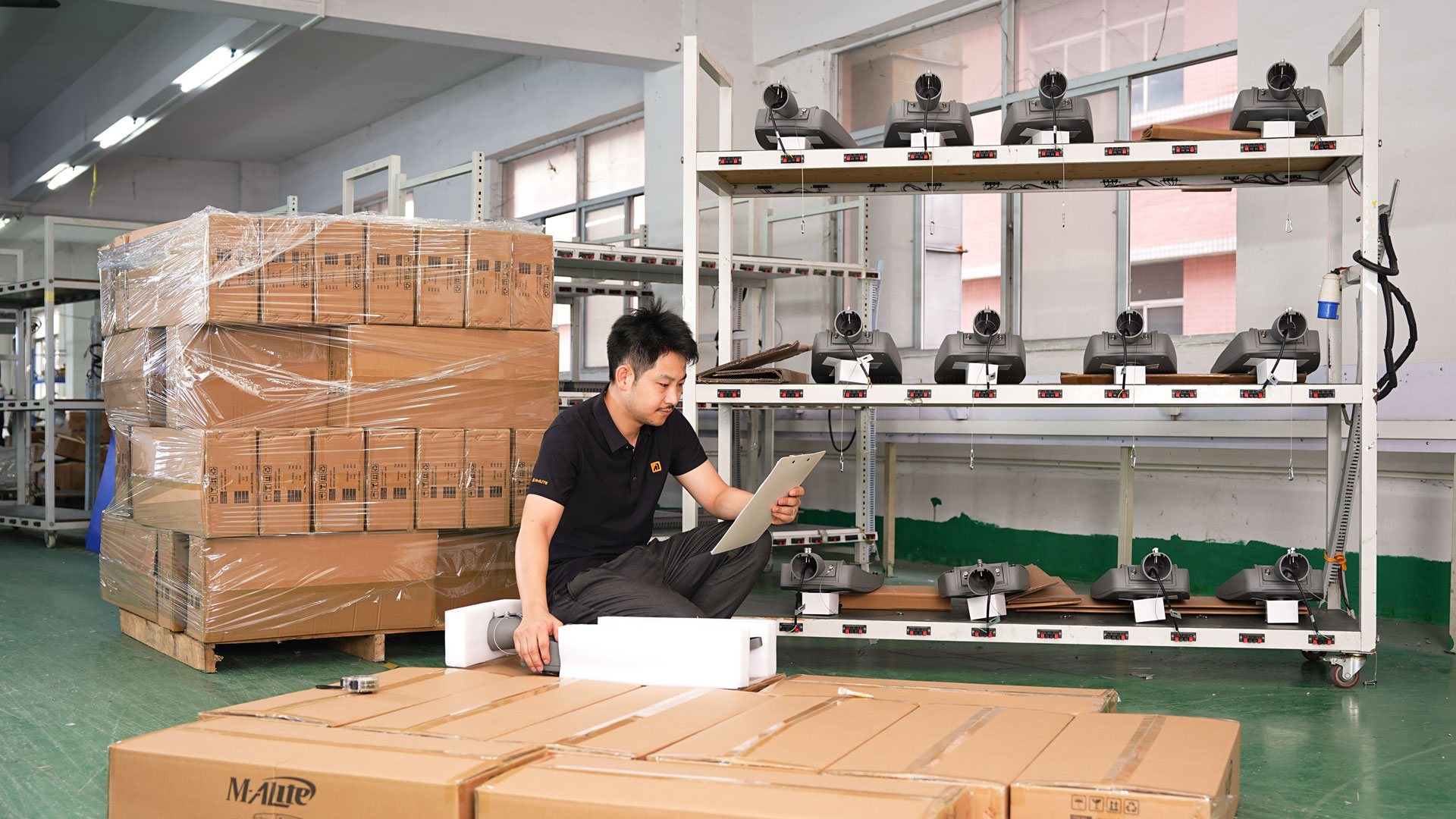
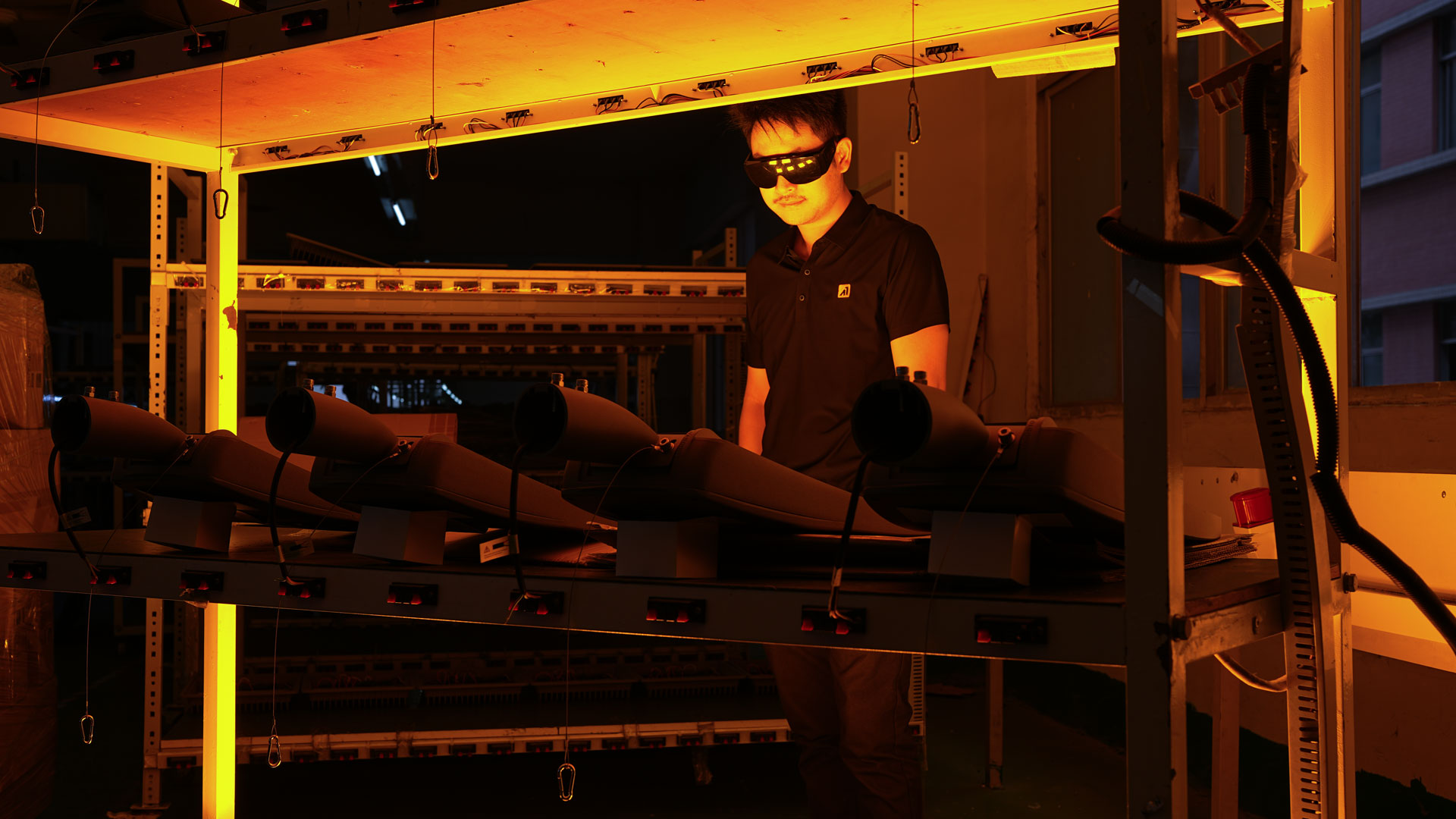
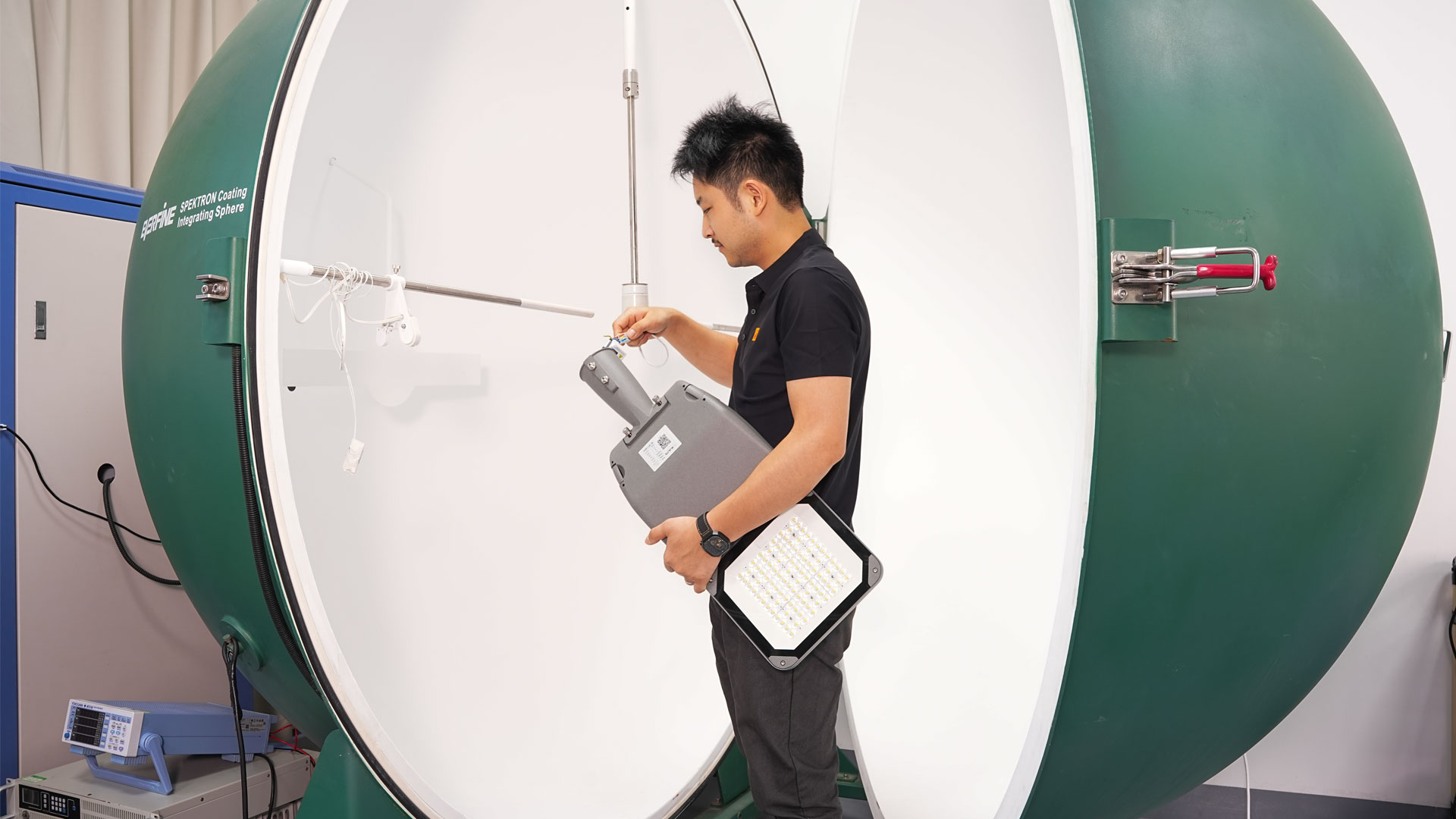
5. Testing and Quality Assurance - Before the solar street light is released for deployment, rigorous testing and quality assurance procedures are carried out. Each unit undergoes performance testing to verify solar charging efficiency, battery capacity, and lighting functionality. Quality control checks are conducted to ensure proper assembly, waterproofing, and resistance to environmental factors. Any defects or issues are addressed before the street light is packaged and shipped to customers.
6. Deployment and Installation - Once the 3-in-1 solar street lights pass quality assurance, they are ready for deployment. Installation teams are dispatched to various locations, where the street lights are mounted on poles or structures. Wiring connections are made to integrate the street lights into the existing electrical grid, or they may operate independently in off-grid locations. Proper installation ensures optimal positioning for sunlight exposure and maximum illumination coverage.