العربية
 Español
 Pусский
 lingua italiana
 Français
 Deutsch
 Portugues



A B2B buyer\'s guide to solar post top lights — covering design compatibility, battery performance, IP ratings, and specification criteria for parks, residential, and municipal landscape projects.
Landscape lighting procurement used to be a straightforward tradeoff: you either ran conduit and had reliable grid power, or you went solar and compromised on aesthetics. The fixtures available in the solar category were functional — a panel on top, a utilitarian housing, light output that dropped off noticeably after a few cloudy days. For parks, heritage districts, or upscale residential developments where design coherence mattered, solar was rarely the first choice.
That tradeoff has largely collapsed over the past five years. Monocrystalline panel efficiency has improved to the point where adequate energy harvest is achievable from a much smaller surface area, lithium iron phosphate batteries have replaced lead-acid as the storage standard, and LED efficacy gains mean the same lumen output now draws a fraction of the power it did a decade ago. The result is a category of solar post top lights that can genuinely compete on aesthetics — not just tolerate it as a secondary concern.
For B2B buyers specifying landscape lighting for municipalities, hospitality developments, mixed-use projects, or public parks, this shift changes the evaluation framework considerably.
The Design Constraint That Solar Historically Lost On
The defining visual element of a post top light is the luminaire head — the globe, lantern, or acorn fixture that sits above the pole. In grid-powered installations, that head can be sized and styled entirely on aesthetic grounds. In traditional solar configurations, the panel either dominated the top of the fixture or was mounted separately, breaking the design language of the streetscape.
Integrated solar post top lights resolve this by embedding the panel within or directly behind the fixture head in a way that reads as intentional rather than retrofitted. The better designs use tempered low-iron glass or polycarbonate diffusers with the panel recessed flush to the upper surface, maintaining the silhouette of a conventional lantern while capturing sufficient irradiance for overnight operation.
This isn't purely a cosmetic issue for B2B procurement. In heritage conservation zones, planning permissions often restrict the visual character of street furniture. In hotel and resort developments, the lighting specification is part of a broader landscape design package with its own approval process. A solar fixture that looks like a solar fixture — panel visibly bolted on, battery box exposed — fails those contexts before it's even turned on.
Performance Criteria That Actually Matter in Specification
Design compatibility opens the door; performance keeps it open. For project engineers and specification writers, the following parameters define whether a solar post top light is suitable for a given application.
| Parameter | Minimum Acceptable | Recommended Spec | Notes |
|---|---|---|---|
| Solar panel efficiency | ≥18% | ≥21% (monocrystalline PERC) | Affects harvest from limited panel area |
| Battery type | LiFePO4 | LiFePO4 Grade A cells | Avoid lead-acid for longevity |
| Battery capacity | Site-dependent | 3–5 nights autonomy | Based on local peak sun hours |
| LED efficacy | ≥130 LM/W | ≥150 LM/W | Reduces energy demand per lumen |
| Ingress protection | IP65 | IP66 | IP65 minimum for outdoor battery housing |
| IK rating | IK08 | IK10 | Public area installations |
| Operating temperature | -20°C to +50°C | -30°C to +60°C | Critical for extreme climate zones |
| Control system | PIR + time scheduling | PIR + dimming + remote monitoring | Extends battery autonomy |
The autonomy figure deserves particular attention. Manufacturers often quote "3-night autonomy" without specifying the conditions under which that figure was derived — panel orientation, ambient temperature, discharge depth, and local solar irradiance all affect the real-world outcome. Asking for the calculation basis behind the autonomy claim is a reasonable and necessary step before finalizing a specification.
Battery Technology: Why the Chemistry Choice Has Long-Term Cost Implications
The shift from lead-acid to lithium iron phosphate (LiFePO4) batteries isn't a marketing upgrade — it changes the economics of the installation over its full lifecycle.
| Battery Type | Cycle Life | Depth of Discharge | Temp. Performance | Weight | Lifecycle Cost |
|---|---|---|---|---|---|
| Lead-Acid (GEL) | 300–500 cycles | 50% recommended | Poor below -10°C | Heavy | High (frequent replacement) |
| LiFePO4 (Grade A) | 2,000–3,000 cycles | 80–90% usable | Stable -20°C to +55°C | Light | Low (long service life) |
| LiFePO4 (Grade B) | 800–1,200 cycles | 80% | Similar to Grade A | Light | Medium |
| NMC Lithium | 500–800 cycles | 80% | Poor at high temp | Light | Medium-high |
Grade A LiFePO4 cells — sourced from tier-one cell manufacturers — carry a meaningful premium over Grade B alternatives, but the cycle life difference translates directly into replacement intervals. For a municipal installation with a 10-year maintenance contract, the difference in battery replacement cost over the contract period often exceeds the initial unit price difference several times over. This is a calculation worth running explicitly when comparing supplier quotes that appear close on the surface.
Design Styles and Application Matching
Not every solar post top light suits every landscape context. The fixture style needs to align with the surrounding architecture, the pole height, and the lighting levels required by the space.
| Style Category | Typical Pole Height | Lumen Output Range | Suitable Applications |
|---|---|---|---|
| Classic Lantern | 3–5m | 800–2,000 lm | Heritage districts, residential boulevards |
| Acorn / Globe | 3–5m | 600–1,800 lm | Parks, pedestrian plazas, campuses |
| Crown / Victorian | 4–6m | 1,000–2,500 lm | Hotel grounds, civic spaces |
| Contemporary Post Top | 4–8m | 1,500–4,000 lm | Mixed-use developments, commercial streets |
| Integrated Bollard-Top | 1–1.5m | 200–600 lm | Pathway edges, garden borders |
One specification mistake that appears frequently in landscape lighting projects is treating post top lights as decorative accents rather than functional lighting elements. Decorative intent is valid — but if the fixtures are also the primary source of illumination for a pedestrian path, the maintained illuminance on the ground needs to meet the relevant standard (typically EN 13201-3 for European projects, or IES RP-8 for North American specifications). Solar post tops in the 800–1,500 lm range, mounted at 4 meters on a 6-meter spacing, will generally achieve 5–10 lux at ground level — adequate for amenity and recreational paths, but below the threshold for roads or high-security areas.
What Separates a Credible Solar Lighting Manufacturer
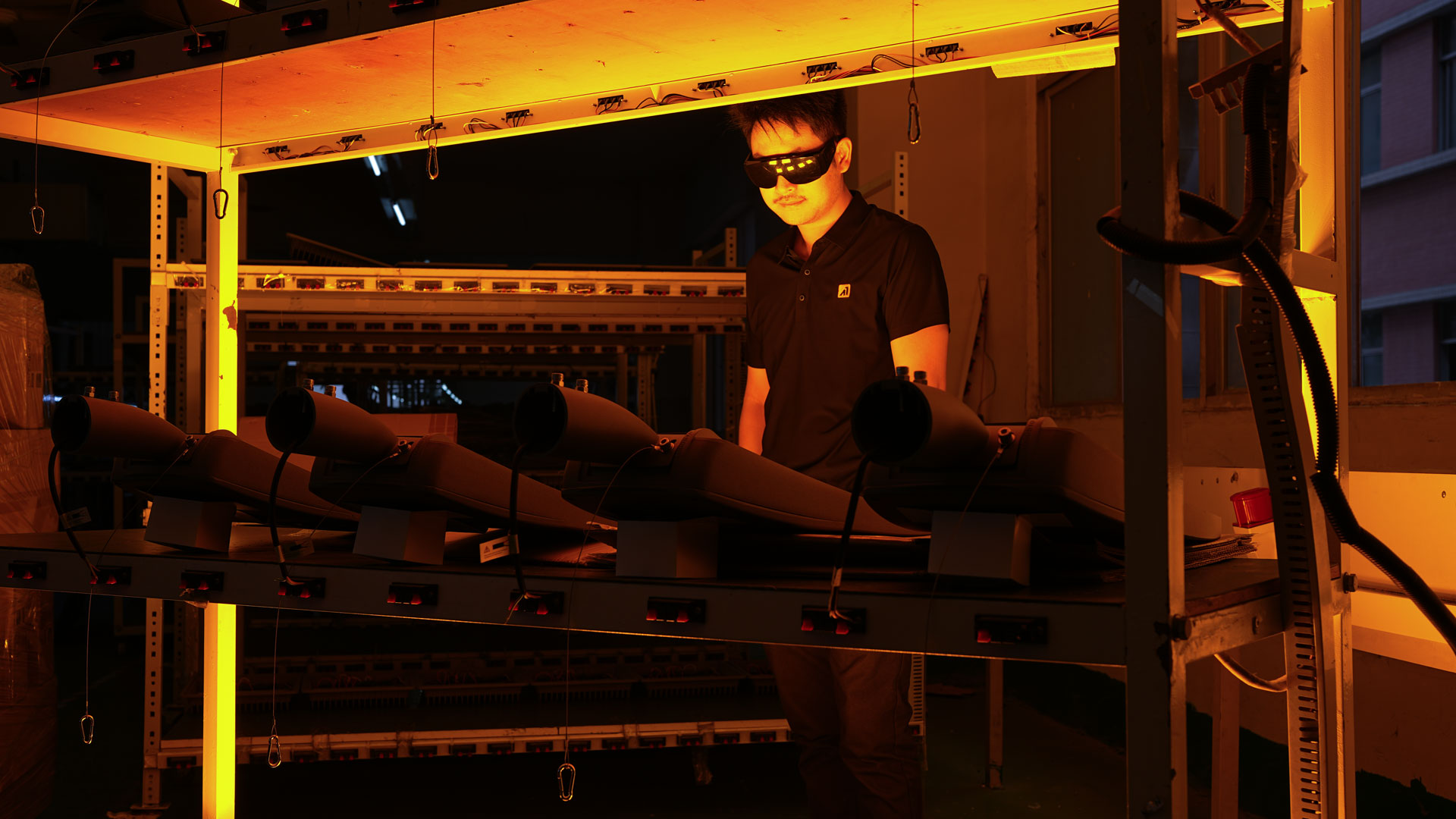
The solar outdoor lighting market has a density problem: the number of suppliers has expanded faster than the quality floor has risen, and specification-compliant documentation is easy to fabricate and difficult to verify without testing. A few indicators distinguish manufacturers with genuine engineering depth from those assembling components without meaningful quality control.
Cell sourcing transparency. Reputable manufacturers can name the cell supplier for their LiFePO4 packs and provide the cell-level specification sheet. Vague answers about "high-quality lithium cells" from unspecified origins are a reliable flag.
Panel efficiency documentation. The panel's STC efficiency should appear on a traceable test report, not just in a product brochure. 21% monocrystalline PERC panels from credible suppliers come with cell-level EL testing records.
Photometric data. An IES file or LDT file should be available for every SKU. This is non-negotiable if you're doing a lighting calculation to verify illuminance compliance — and for any project with a formal specification, you should be.
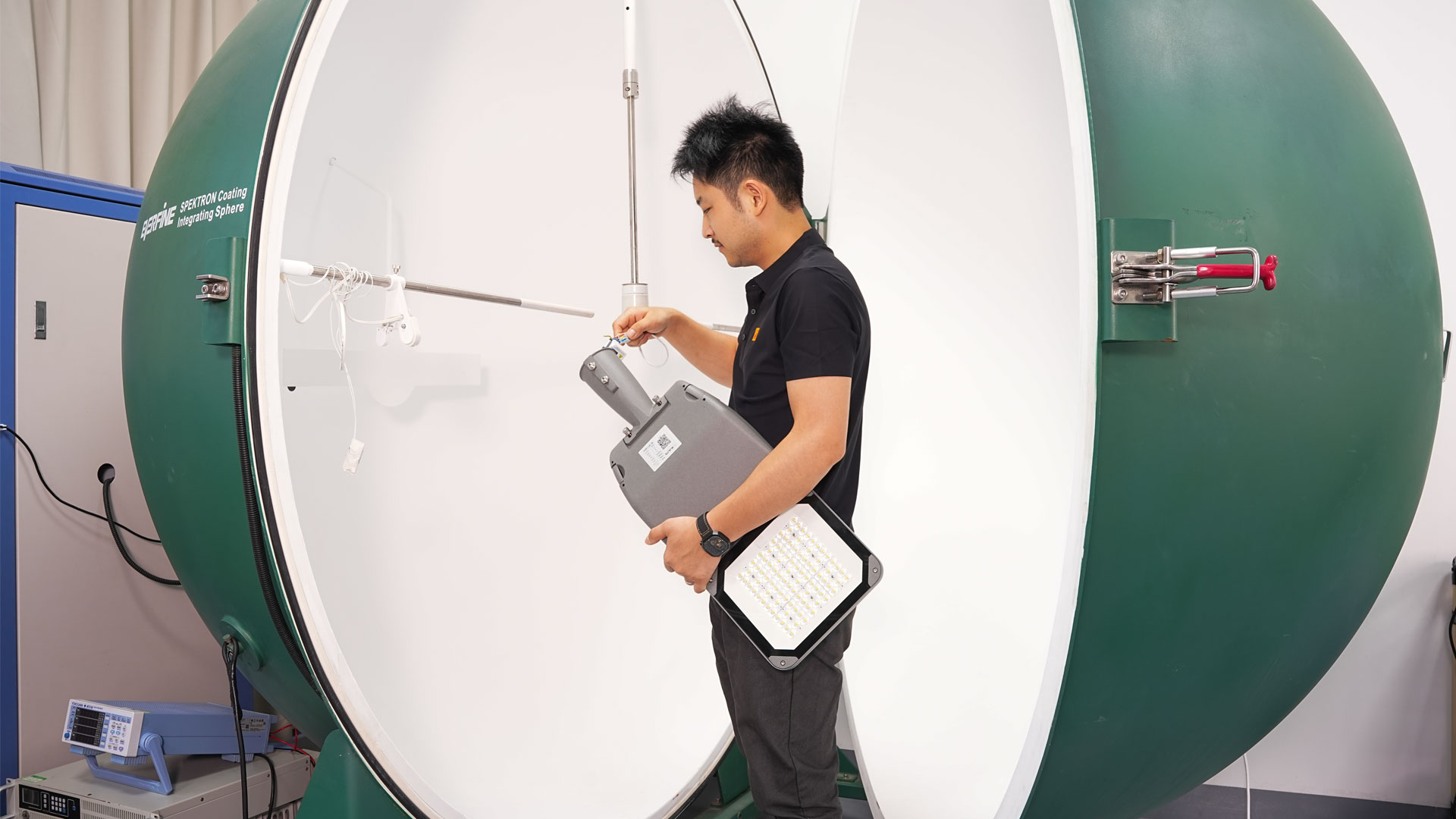
IP testing certification. IP65 or IP66 ratings should reference a test report from a third-party lab, not a self-declaration. The battery compartment and driver housing are the two failure points that matter most; ask specifically whether both are covered by the IP test.
Closing Note for Procurement Teams
Solar post top lights have moved from a compromise category to a credible specification option for landscape projects across a broad range of contexts. The design options are genuinely competitive with grid-powered alternatives, and the performance — when properly specified and matched to site conditions — is reliable enough for municipal and commercial applications.
The qualification work, however, still requires more rigor than it does for conventional grid-powered fixtures. Solar systems have more interdependent variables, longer payback horizons, and more room for specification-to-delivery gaps. Asking for documentation, running the autonomy calculation for your specific latitude and season, and understanding what battery chemistry is actually in the product are not optional steps — they're where the real evaluation happens.